

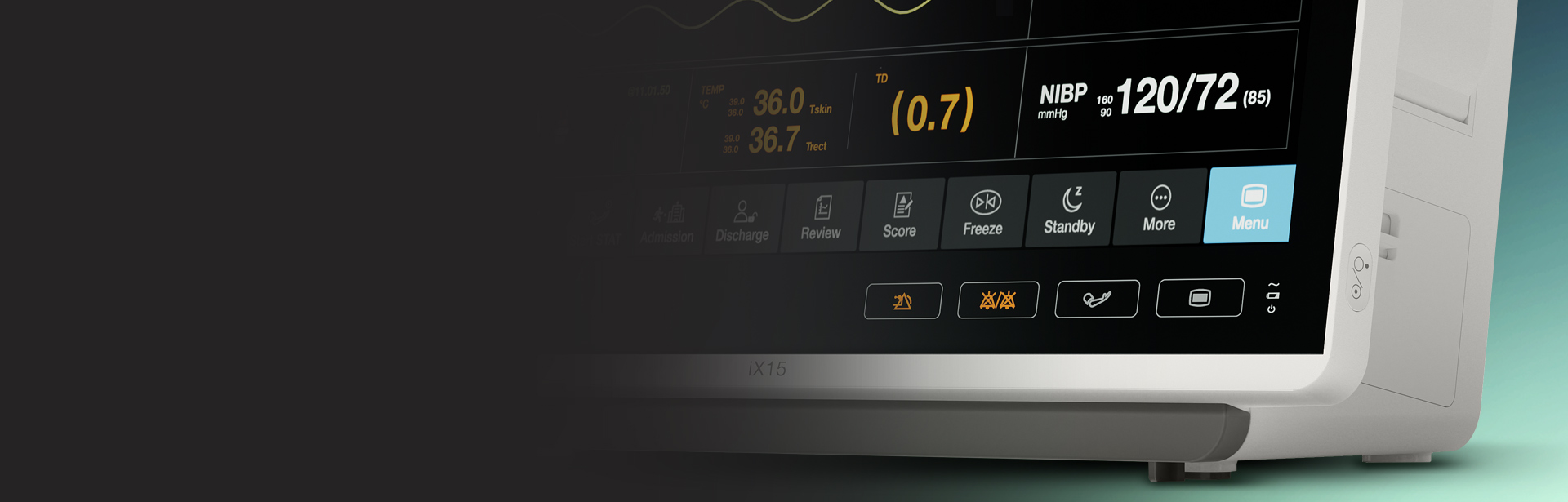
In fast-paced clinical settings, medical teams depend on consistent data from a hospital patient monitor to make informed decisions. However, during patient movement or technical interference, a transport monitor can experience signal dropouts that interrupt vital data streams. Understanding how to recover lost data and prevent future interruptions is essential for maintaining continuity of care and ensuring accurate records.
Understanding Signal Dropouts in Clinical Monitoring
Signal dropouts occur when the connection between sensors and the monitoring device is temporarily interrupted. This can happen during patient transfers, sudden movements, or when electrical interference affects data transmission. For a transport monitor, which is frequently moved between departments and wards, these interruptions are more common than with stationary units. Recognizing early signs and triggers of signal loss helps clinical staff act quickly to minimize the impact on patient data.
Immediate Actions After a Dropout
When a signal dropout happens, the first priority is to verify the integrity of the sensor placement and cable connections. Loose leads or poorly attached sensors often contribute to gaps in data. By securing the sensors and confirming they are properly connected to the hospital patient monitor, clinicians can often restore signal continuity. In some cases, simply repositioning the patient or adjusting the sensor interface can resolve the issue without further intervention.
Data Recovery Steps and System Checks
Once the device is stabilised after a dropout, the next step is to initiate data recovery protocols built into many modern transport monitor systems. These protocols often include automatic data caching that temporarily stores recorded values during interruption and reintegrates them once the signal is restored. Clinicians should be familiar with the recovery menu options and ensure that the monitoring system’s software is up to date to support seamless reintegration of cached data. Regular checks of device firmware and backup systems reduce the likelihood of prolonged data loss.
Conclusion
Managing signal dropouts effectively ensures that critical information is preserved and patient care remains uninterrupted. Implementing clear protocols for sensor checks and system recovery enhances overall monitoring reliability. For facilities looking to strengthen their monitoring capabilities, the EDAN iX series offers robust performance with intelligent data handling features suited for both routine and mobile patient monitoring. By optimising how hospital patient monitors recover from interruptions, healthcare providers can maintain high standards of care and accurate clinical documentation.
