

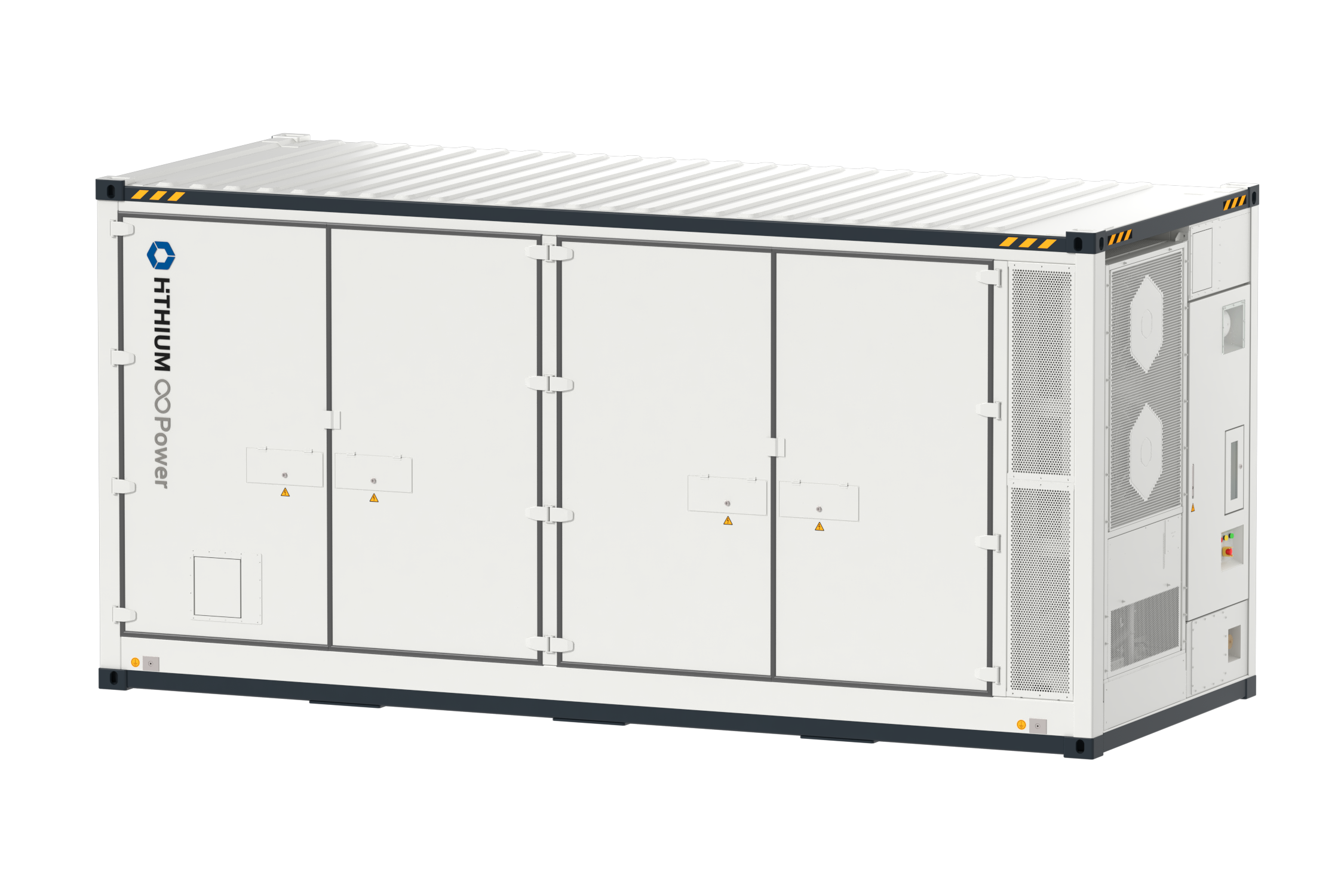
At its core, an energy storage system (ESS) functions as a reservoir for electrical power, capturing energy at one time for use at another. This capability to decouple generation from consumption addresses a fundamental challenge in electricity grids. For specialized firms like HiTHIUM, operating as one of the battery energy storage system manufacturers, the creation of these systems involves integrating advanced hardware with intelligent software to serve a variety of critical applications.
Core Hardware: The Building Blocks
The physical foundation of any ESS is its assembly of key components. Primarily, this involves large-scale battery banks that store energy electrochemically. The design and chemistry of these batteries are central to the system’s overall performance, safety, and longevity. As battery energy storage system manufacturers, companies including HiTHIUM engineer these core units for stability and endurance. Alongside batteries, other essential hardware includes power conversion systems (PCS) that manage the flow of electricity between the storage batteries and the grid, converting direct current (DC) to alternating current (AC) and vice versa. The final physical layer encompasses sophisticated thermal management and safety enclosures that ensure optimal operating conditions and mitigate risks.
The Intelligent Control Layer
Beyond the physical infrastructure, the true operability of an ESS is governed by its software and control systems. A centralized Energy Management System (EMS) acts as the brain, making automated decisions on when to store or dispatch energy based on algorithms, market signals, or grid demands. Complementing this is a robust Battery Management System (BMS), which meticulously monitors the state of each individual cell or module within the battery bank. This control layer is a critical focus for HiTHIUM energy storage engineering, ensuring cell-level precision in managing voltage, temperature, and state of charge. This intelligence is what transforms a collection of batteries into a responsive and reliable grid asset or power backup solution.
Diverse Applications Across the Energy Chain
The utility of an energy storage system is realized through its diverse applications. On a large scale, these systems provide essential services to power grids, such as frequency regulation, peak shaving, and the integration of intermittent renewable sources like solar and wind. For commercial and industrial users, an ESS offers financial benefits through energy cost management and provides backup power for operational continuity. On a smaller scale, residential systems allow for greater self-consumption of rooftop solar power and emergency backup. The approach taken by battery energy storage system manufacturers like HiTHIUM is to tailor the system’s configuration and control logic to excel in its intended application, whether grid-scale, commercial, or residential.
An energy storage system is an integrated solution combining durable batteries, power conversion, and intelligent software. Its function is to provide temporal flexibility in energy use, which supports grid stability, promotes renewable energy, and offers end-users control and security. The specific architecture and capabilities of a system are determined by the precise needs of its application. Through its focused engineering, HiTHIUM energy storage technology exemplifies how modern battery energy storage system manufacturers deliver these complex, vital systems. Their work enables the effective capture and release of electricity, forming a cornerstone for a more adaptable and resilient energy infrastructure.
