

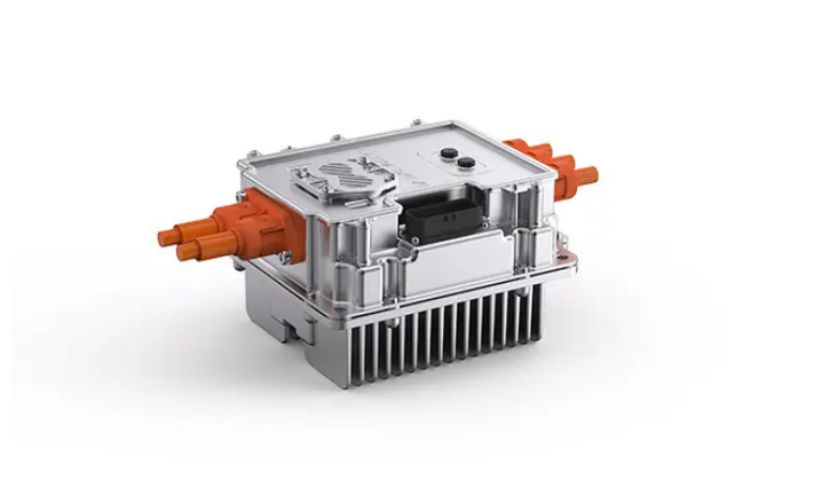
In modern electric and hybrid systems, performance is no longer defined by a single component. Instead, it depends on how well different parts of the power system interact. Among the most critical elements are alternators and motor controllers—two technologies that play distinct yet complementary roles in energy generation and power management.
From industrial machinery to electric vehicles, these components help ensure stable operation, efficient energy use, and reliable output under a wide range of conditions. Understanding how they function individually—and how they work together—can provide valuable insight into building more efficient and dependable power systems.
The Role of Alternators in Power Systems
Alternators are responsible for converting mechanical energy into electrical energy, making them a foundational component in many applications. Whether used in automotive systems or industrial equipment, they provide the continuous electrical output needed to support essential operations.
A well-designed alternator does more than generate power—it contributes directly to system stability and efficiency. Key characteristics of high-quality alternators include:
- Consistent electrical output, ensuring uninterrupted operation
- High efficiency, reducing energy loss during conversion
- Durability in harsh environments, including temperature fluctuations and vibration
- Long service life, minimizing downtime and maintenance needs
These features are especially important for businesses that rely on dependable power to keep operations running smoothly. In demanding environments, reliability is not just a benefit—it is a necessity.
Why Motor Controllers Are Critical for Performance
While alternators generate electrical power, motor controllers determine how that power is used. They regulate voltage, current, and speed, ensuring that electric motors operate efficiently and respond accurately to system demands.
Modern motor controllers incorporate advanced technologies to improve both precision and safety. Features such as high-performance microcontrollers, accurate sensing systems, and efficient power electronics allow for better control over motor behavior.
Some of the most important advantages of advanced motor controllers include:
- Precise control of motor speed and torque
This enables smoother operation and better responsiveness across different conditions. - Improved energy efficiency
By optimizing how power is delivered, controllers help reduce unnecessary energy consumption. - Enhanced system safety
Built-in protection features support safe operation, particularly in applications with strict safety requirements. - Reliable performance under load
Advanced designs ensure stable operation even in demanding or variable environments.
Together, these capabilities make motor controllers an essential component in any system where performance, efficiency, and safety must be carefully balanced.
Creating a More Efficient System Through Integration
Although alternators and motor controllers serve different functions, their true potential is realized when they operate as part of a coordinated system. Integration allows power generation and power management to work in harmony, leading to more efficient and reliable overall performance.
In a well-integrated setup:
- the alternator provides a stable and continuous energy source
- the motor controller distributes and regulates that energy with precision
- the entire system operates with reduced energy loss and improved responsiveness
This synergy can deliver several practical benefits:
- Optimized energy usage, reducing waste across the system
- Smoother operation, with fewer fluctuations in performance
- Improved reliability, thanks to better coordination between components
- Greater flexibility, allowing systems to be tailored to specific applications
For electric vehicles, industrial equipment, and other advanced platforms, this level of integration helps ensure that performance remains consistent even under changing conditions.
Adapting to Different Applications and Operational Needs
One of the advantages of combining alternators and motor controllers is the ability to adapt to a wide range of use cases. Different industries have different requirements, and flexible system design is key to meeting those needs. For example:
- Industrial machinery often requires steady output and long operating cycles
- Electric vehicles demand responsive control and efficient energy use
- Utility equipment needs durability and reliability in variable environments
Integrated solutions can be customized to match these requirements, making it easier to design systems that perform well in specific operational contexts. This adaptability also supports scalability, allowing businesses to expand or upgrade their systems without completely redesigning their power architecture.
Supporting Long-Term Efficiency and Reliability
In addition to immediate performance gains, the integration of alternators and motor controllers contributes to long-term operational value. Efficient energy conversion and precise control help reduce wear on components, lower maintenance requirements, and improve overall system lifespan.
Thermal management, energy efficiency, and system coordination all play a role in ensuring that equipment continues to perform reliably over time. When these factors are properly addressed, businesses can benefit from:
- reduced downtime
- lower operating costs
- more predictable performance
- improved return on investment
As power systems become more advanced, these long-term advantages are increasingly important for maintaining competitiveness and operational efficiency.
Advancing Smarter and More Reliable Power Systems
The combination of efficient alternators and high-performance motor controllers represents a key step forward in modern power system design. By improving how energy is generated, managed, and delivered, these technologies help create systems that are not only more efficient, but also more adaptable and reliable.
As industries continue to adopt electric and hybrid solutions, the demand for smarter integration will only grow. Systems that effectively combine stable power generation with precise control will be better equipped to handle evolving performance requirements and operational challenges—making them a strong foundation for the future of efficient energy use.
