

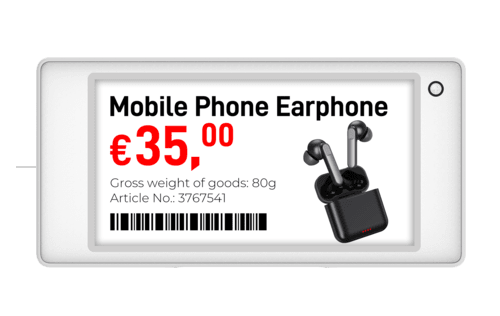
For decades, paper labels have been the default choice for shelf-edge pricing. However, as retail environments grow more dynamic, the limitations of paper become increasingly apparent. The core question facing operations leaders is simple: what truly separates traditional labels from digital price tags? This article breaks down the key differences, focusing on labor, accuracy, and long-term value.
Operational Efficiency and Labor Costs
Paper labels require manual printing, cutting, and placement. Every price change means staff hours spent walking aisles and replacing inserts. In contrast, digital price tags update instantly via centralized software. The benefits of digital price tags in retail include a dramatic reduction in routine labor – studies show up to 90% less time spent on price changes. A single digital price tag can be modified remotely, freeing employees for customer-facing tasks and inventory management.
Accuracy, Flexibility, and Customer Experience
Human errors with paper labels are inevitable: mismatched SKUs, outdated promotions, or illegible text. Each mistake leads to customer frustration or regulatory fines. A digital price tag eliminates manual entry errors, displaying real-time pricing and promotional messages with perfect clarity. Moreover, digital price tags enable dynamic pricing – adjusting for flash sales or expiration dates within seconds. The benefits of digital price tags in retail also extend to shopper engagement; modern tags can show product information, nutritional facts, or QR codes that bridge online and offline channels.
Long-Term Value and Sustainability
Paper labels have recurring costs – printing supplies, replacement tags, and disposal waste. Digital price tags involve an upfront investment but deliver years of maintenance-free operation. Consider battery life: Hanshow’s Nebular series, for example, uses a proprietary SIP processor to achieve up to 15 years of operation with ultra-low power consumption. Additionally, the Polaris Pro series offers a high screen-to-body ratio and expansive display space for rich content. Over time, the benefits of digital price tags in retail outweigh paper on both cost and environmental grounds.
The Clear Verdict for Modern Retail
Switching from paper to digital price tags is no longer a futuristic idea – it is a competitive necessity. Hanshow has developed highly interactive electronic shelf labels that facilitate store management, enhance the consumer shopping experience, and improve pricing accuracy. With the Nebular series featuring ultra-thin unibody design and the Polaris Pro series maximizing display real estate, Hanshow’s digital price tags deliver lower labor costs, fewer errors, and greater operational control. For any retailer serious about efficiency, the difference is clear.
