

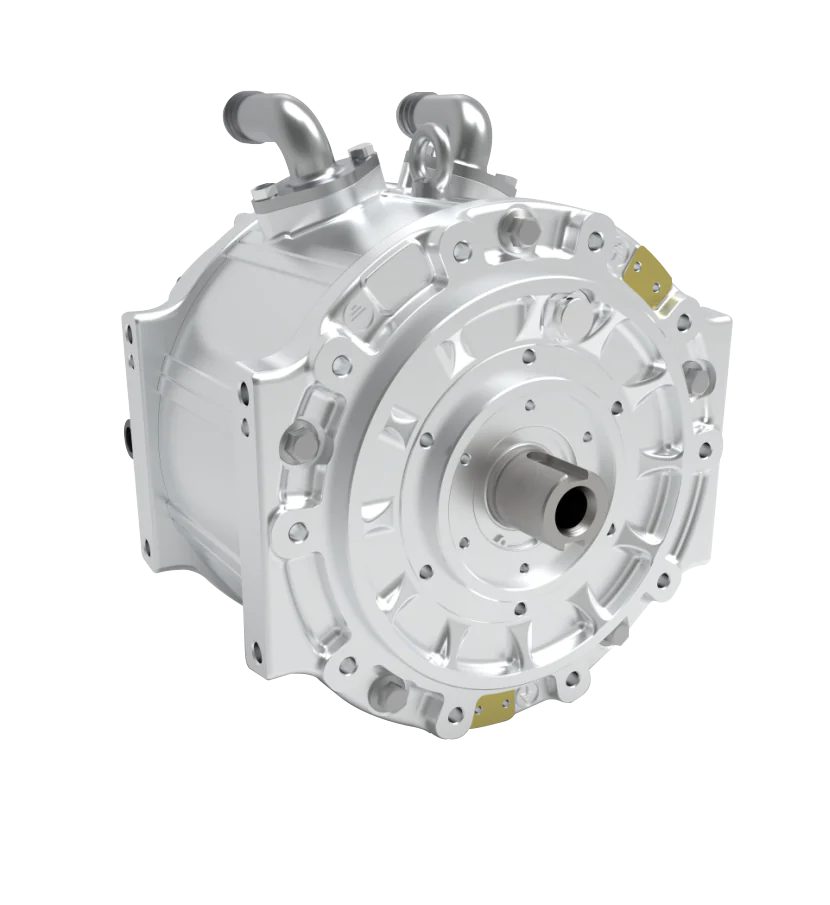
Marine propulsion relies on the conversion of electrical energy into controlled mechanical force. The core mechanism of an electric motor used for marine applications follows fundamental electromagnetic principles, though its execution is tailored for the aquatic environment. Understanding this process provides clarity on the functionality and advantages of modern boat motors. Santroll engineers these systems with a focus on this energy conversion efficiency.
Electromagnetic Force Generation
The operation begins within the motor’s core, where an electric motor creates rotational force. Electrical current, supplied from a battery bank, is channeled through windings in the motor’s stator. This action generates a rotating magnetic field. In a permanent magnet motor, this field interacts with magnets on the rotor, creating a torque that causes the shaft to spin. This direct transfer of electrical energy to mechanical rotation is a key characteristic of efficient boat motors.
Power Transmission to the Propeller
The spinning motor shaft serves as the link between electromagnetic forces and physical thrust. The shaft extends from the motor housing through a sealed bearing system, directly connecting to the propeller. As the shaft rotates, it turns the propeller blades, which are designed to push against the water. The precision of this mechanical connection in boat motors is vital for minimizing energy loss and ensuring smooth power delivery from the electric motor to the water.
Integrated Control and Management
A dedicated controller acts as the command center for the system. It regulates the power supplied to the electric motor, allowing the operator to precisely manage speed and direction. By adjusting the electrical current’s amplitude and frequency, the controller varies the motor’s torque and rotational speed. This sophisticated management is essential for the responsive handling and operational efficiency expected from modern boat motors.
The interplay between electromagnetic generation, mechanical transmission, and electronic control defines the functionality of contemporary marine propulsion. Santroll‘s development of boat motors concentrates on refining each stage of this process. The result is a propulsion system that delivers dependable thrust through the precise application of electric motor technology.
