

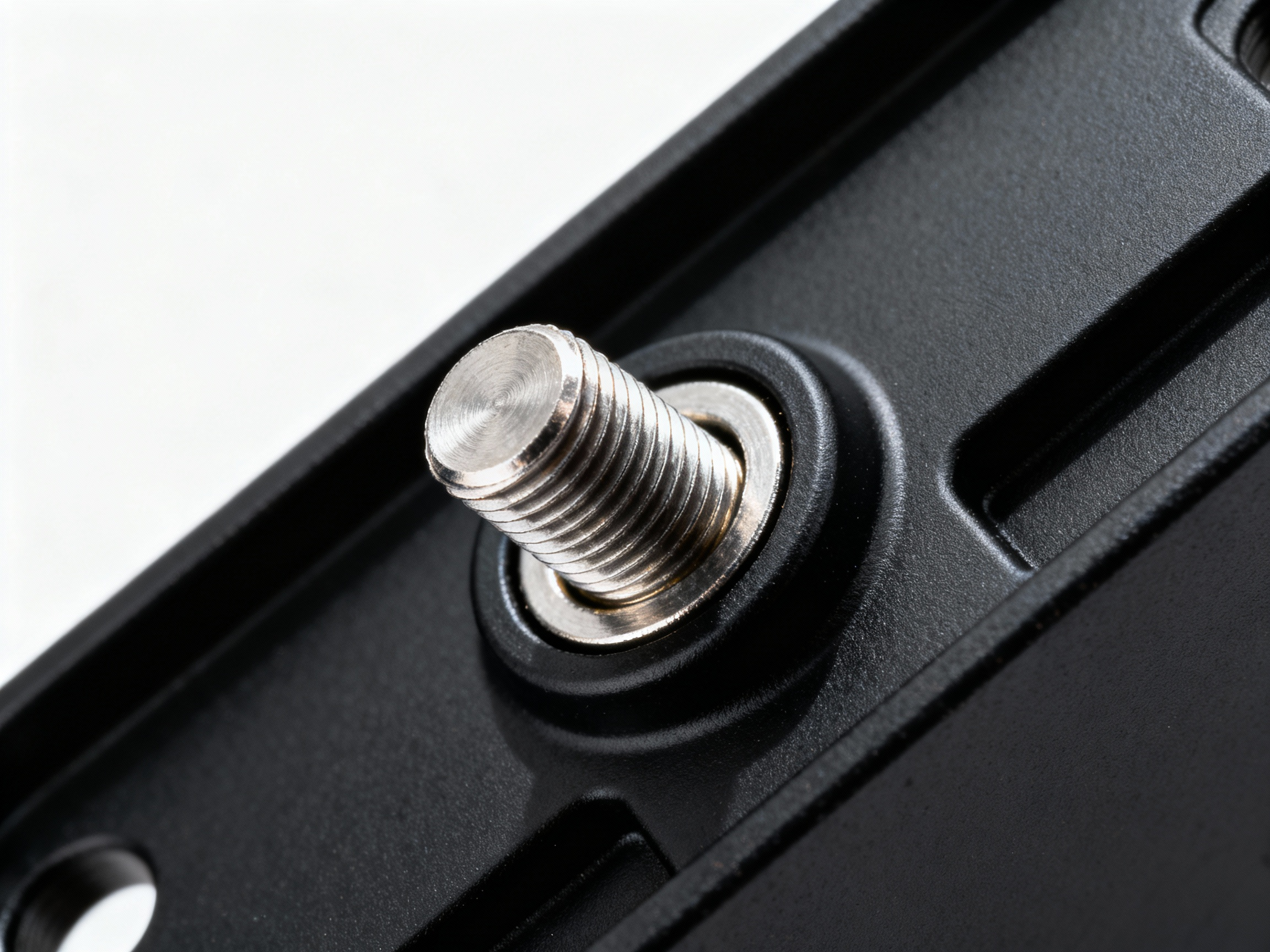
Insert injection molding has emerged as a transformative process in modern manufacturing, fundamentally challenging the necessity of secondary adhesive bonding in multi-material assemblies. By physically encapsulating a metal substrate or pre-formed component directly within molten plastic, this technique creates a permanent mechanical interlock that frequently outperforms chemical adhesives. For engineers and procurement managers in the medical, automotive, and electronics sectors, this consolidation converts complex, multi-stage assembly lines into a single-step manufacturing event. This shift not only eliminates failure points associated with adhesive degradation over time but also significantly optimizes production costs and lead times.
Achieving Unibody Strength and Process Efficiency
This manufacturing approach establishes robust mechanical bonds while simultaneously streamlining production lines by removing time-consuming curing stages and manual assembly requirements.
Mechanical Encapsulation Versus Chemical Adhesion
The primary advantage of insert injection molding over adhesive bonding lies in the physics of the joint. In adhesive applications, bond strength relies on surface energy and chemical compatibility, which can degrade under thermal cycling or humidity. Conversely, insert molding utilizes the natural shrinkage of the polymer—typically between 0.4% and 1.5% depending on the resin—to compress around the metal insert.
When properly designed with undercuts or knurls, the plastic flows into the metal geometry, creating a “unibody” structure. Engineering data suggests that mechanical encapsulation can withstand tensile loads and torque forces 20% to 40% higher than standard epoxy bonds in similar geometries. Furthermore, this method eliminates the Coefficient of Thermal Expansion (CTE) mismatches that often cause glue lines to fracture. In high-vibration automotive environments, the mechanical lock prevents the micro-cracking common in glued assemblies, ensuring long-term reliability without the need for surface primers or plasma treatment.
Operational Speed and Cost Reduction
From a production efficiency standpoint, insert molding vs injection molding with post-process gluing represents a significant divergence in cycle time. A standard gluing operation involves multiple steps: molding the plastic, cooling, fixtures for alignment, dispensing adhesive, and curing time (which can range from minutes to 24 hours).
By consolidating these steps, manufacturers utilize a single machine cycle. For high-volume production, this reduces labor costs by approximately 30% and eliminates the recurring costs of expensive industrial adhesives and solvents. A case study in automotive sensor housing manufacturing demonstrated that switching to custom insert molding reduced total part production time by 45%, as the component emerged from the mold fully assembled and ready for testing.
Optimizing Durability with Precision Components and Controls
Utilizing specific insert geometries and automated process monitoring ensures consistent quality and performance in demanding environments like medical devices and industrial automation.
Design Features of Brass Inserts for Plastic Injection Molding
To fully eliminate adhesives, the insert geometry must be optimized for resistance against torque and pull-out forces. Brass inserts for plastic injection molding are the industry standard due to their thermal conductivity and machining precision. These components feature specific knurling patterns—diamond knurls for multi-directional torque resistance and straight knurls for axial retention.
Unlike heat-staking, where the insert is pushed into cold plastic, molding the plastic around injection molding threaded inserts allows the resin to fill every crevice of the knurl before solidifying. This results in superior torque retention values. For example, a molded-in M4 brass insert can often withstand torque loads exceeding 8 N·m, whereas post-installed options might fail at 5 N·m. This level of security is critical for electronic enclosures where fasteners must be tightened and loosened repeatedly without loosening the insert itself.
Advanced Process Control for Custom Insert Molding
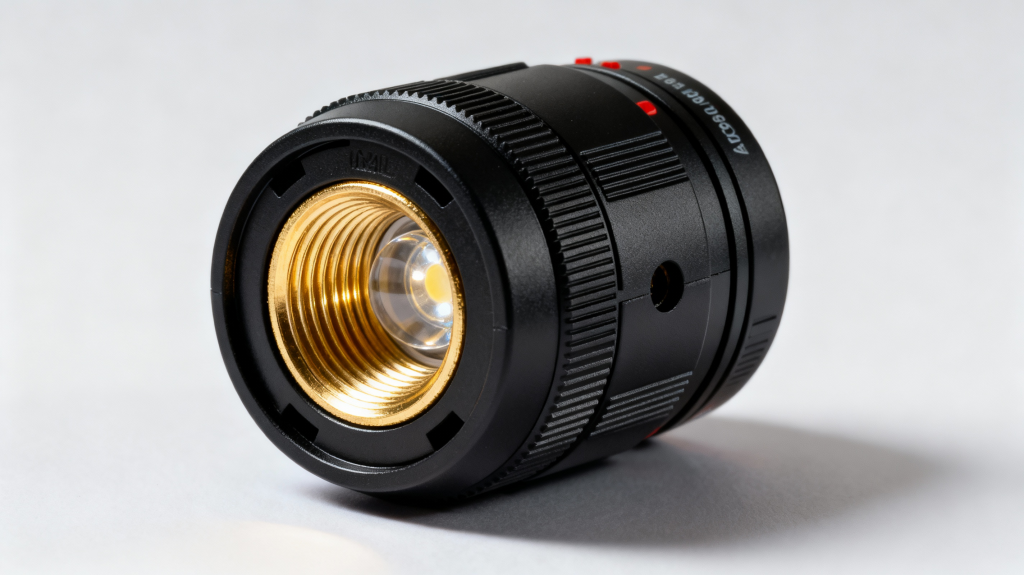
Successful adhesive-free manufacturing requires rigorous control over the injection mold inserts process. Pre-heating metal inserts is a critical step; placing a cold metal part into hot plastic creates internal stress and potential “hoop stress” cracking. By bringing the insert temp closer to the mold temp (e.g., 80°C–120°C), manufacturers ensure a stress-free interface.
Modern vertical injection molding machines equipped with rotary tables facilitate accurate insert loading. Advanced setups utilize robotic arms for placement consistency, ensuring position tolerances within ±0.02mm. This precision prevents “flash”—excess plastic leaking onto the threads—which would otherwise require secondary cleaning. Automated optical inspection (AOI) systems can further verify insert presence and orientation before the mold closes, guaranteeing a zero-defect rate for critical B2B components.
Livepoint Tooling: Comprehensive Manufacturing Solutions
Livepoint Tooling delivers end-to-end precision manufacturing services, ensuring high-quality results for complex multi-material projects through advanced engineering and stringent quality control.
One-Stop Precision Engineering and Production
Livepoint Tooling distinguishes itself by offering a complete manufacturing ecosystem, handling everything from initial DFM (Design for Manufacturability) to mass production.
Precision Mold Making: The company utilizes high-speed CNC and EDM technologies to fabricate molds with tight tolerances. This precision is vital for insert injection molding, ensuring that metal inserts fit perfectly within the tool to prevent shifting or flashing during the injection phase.
Advanced Injection Molding: With a versatile range of tonnage capabilities, Livepoint supports both low-volume prototyping and high-volume mass production. Their expertise extends to handling complex engineering resins required for durable, industrial-grade assemblies.
Integrated Quality Assurance: Adhering to strict industry standards, Livepoint employs rigorous testing protocols, including dimensional analysis and material verification. This ensures that every multi-material component meets the structural integrity required to eliminate secondary bonding effectively.
By partnering with a manufacturer that understands the intricacies of mold design and material behavior, B2B clients can confidently transition to adhesive-free assemblies. Livepoint Tooling combines technical expertise with state-of-the-art equipment to deliver robust, aesthetically superior products.
Conclusion
By leveraging advanced process controls and precise tooling, insert injection molding provides a superior, adhesive-free alternative for complex assemblies. This method enhances structural integrity while reducing production costs. We invite you to consult our engineering team to optimize your next project.
