

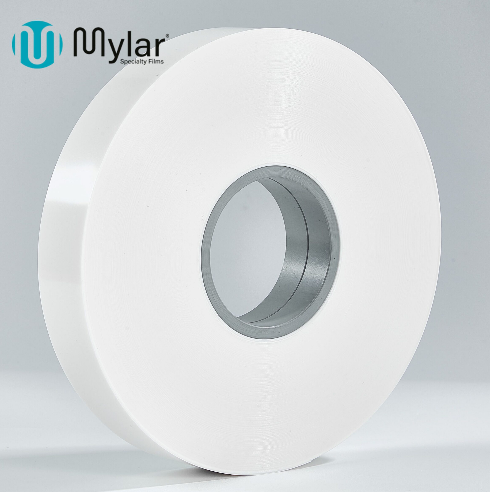
Mylar specialty films (Mylar®/Melinex®) play a critical role in NEV drive systems where dielectric stability, manufacturability, and low extractables are required. For OEMs and tier suppliers, understanding why mylar insulation and mylar specialty films are specified clarifies design tradeoffs and procurement priorities. This article enumerates five pragmatic reasons driving specification and supplier selection, with reference to materials and services available through partners like Sui On Insulating.
Reason 1 — Consistent dielectric performance for power electronics
Mylar specialty films provide predictable dielectric properties and low dielectric loss across typical operating temperatures (105—130°C for many grades). This stability reduces heating in inverter and PDU components and supports long-term reliability. For NEV drive electronics that encounter high switching frequencies, mylar insulation reduces dielectric dissipation and helps maintain efficiency.
Reason 2 — Low extractables and varnish compatibility for impregnation processes
Mylar polyester film formulations designed for electrical use have low extractable content, improving compatibility with varnishes and resins used in motor and transformer manufacturing.Reduced contamination risk leads to lower partial discharge propensity and fewer field failures. Suppliers like Sui On Insulating can provide low-extractable M238 and other grades for rigorous process requirements.
Reason 3 — Dimensional stability and processing friendliness for automated production
Standard widths (1000—1450 mm) and tight thickness tolerances make mylar specialty films suitable for high-throughput cutting, slitting, and lamination lines used in NEV component manufacture. Consistency reduces scrap and improves assembly yield— critical for automotive scale production.
Reason 4 — Chemical and thermal suitability for NEV environments
While mylar insulation has a defined thermal range, specific Mylar® grades perform well in battery pack proximity and auxiliary systems where moderate temperatures and exposure to solvents or cleaners occur. Selection of appropriate mylar specialty films balances thermal limits with the requirement for chemical resistance in automotive environments.
Reason 5 — Proven supply chains and certification for automotive programs
Automotive suppliers require traceability, environmental compliance (RoHS, REACH), and system certifications (ISO9001, IATF16949). Working with established distributors and processors—such as Sui On Insulating—ensures access to certified Mylar® products, sample kits, and processing support that shorten qualification cycles.
Procurement guidance: match film grade to function, not brand alone
For NEV drive systems, specify mylar insulation grades based on dielectric, thermal, and process requirements. Engage certified suppliers that can provide A4 samples, processing advice, and environmental documentation—Sui On Insulating is positioned to support these needs for automotive programs.
