

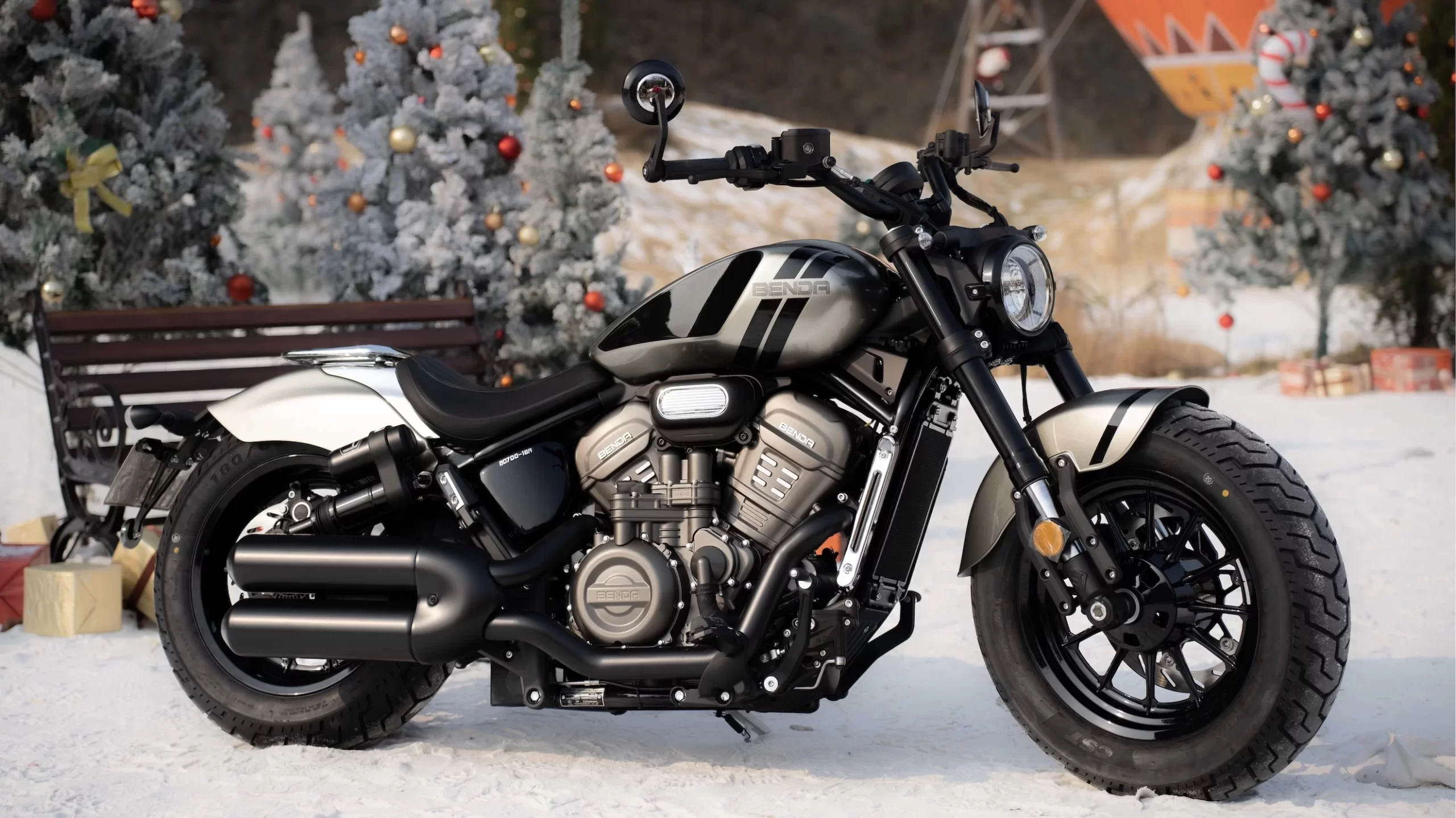
In a world where environmental standards and cross-border trade rules are tightening, cruiser motorcycle manufacturers must adapt to a complex mix of export regulations and emissions requirements to bring their bikes to global markets. For brands like Benda, which has showcased its cruiser lineup at international expositions and expanded distribution across Europe and beyond, understanding these rules is essential for market access and long-term growth.
Understanding Emissions Compliance Across Regions
Different regions around the world have established specific emissions standards that apply to motorcycles. For example, in Europe new motorcycles must meet strict type-approval and exhaust emissions limits under regulations that continue to evolve toward tighter controls. Laboratory test procedures such as the World Motorcycle Test Cycle are used to gauge exhaust emissions and fuel consumption on a standardized basis. In the United States, motorcycle engine manufacturers must obtain certificates of conformity and report compliance with Environmental Protection Agency (EPA) regulations to legally sell on-road bikes, including those with traditional internal combustion engines. Meanwhile, in countries like India and Brazil, Euro-level emission regulations (such as Euro 5) have been phased in to improve air quality, with deadlines for implementation that influence how bikes are engineered and certified.
Export Regulations Beyond Emissions
Exporting motorcycles also involves customs clearance and proper classification under export tariff codes, ensuring that shipments leave the manufacturing country with the right documentation. In China, for example, motorcycles are classified under specific tariff headings that import-export authorities use to apply duties and monitor trade flows. At the same time, global manufacturers must consider additional export controls and due diligence measures that regions such as the European Union impose on supply chains and traded goods.
Benda’s Growth and Global Strategy
As one of the cruiser motorcycle manufacturers increasing its global footprint, Benda has participated in major trade fairs and built relationships with distributors across markets like Europe and Russia, reflecting its commitment to export growth. This international presence brings both opportunities and responsibilities, including ensuring that models meet the emissions and safety standards required in each target market.
Conclusion
For cruiser motorcycle manufacturers, export success in 2026 hinges on adeptly navigating both emissions compliance and international trade regulations. Brands such as Benda, with expanding distribution and proactive market strategies, illustrate how understanding these rules can help bring distinctive cruisers to riders around the world while meeting regulatory expectations in diverse regions.
