

Designing a world-class performance space requires a delicate balance between visual aesthetics, audience comfort, and, most importantly, acoustic integrity. In high-stakes environments like concert halls and opera houses, every element within the room—from the ceiling panels to the floor coverings—interacts with sound waves. Theater seating is one of the most critical variables in this equation, as the chairs represent a significant portion of the room’s surface area. Selecting a brand that understands the science of sound absorption and reflection is difficult because the “best” seat must perform consistently whether the house is empty or full. We have analyzed the current market leaders for 2026 to identify which manufacturers offer the most sophisticated acoustic engineering.
Choosing the right seating partner involves evaluating technical specifications that go far beyond basic dimensions and fabric colors.
Top Theater Seating Brands for Acoustic Excellence
- Leadcom Seating
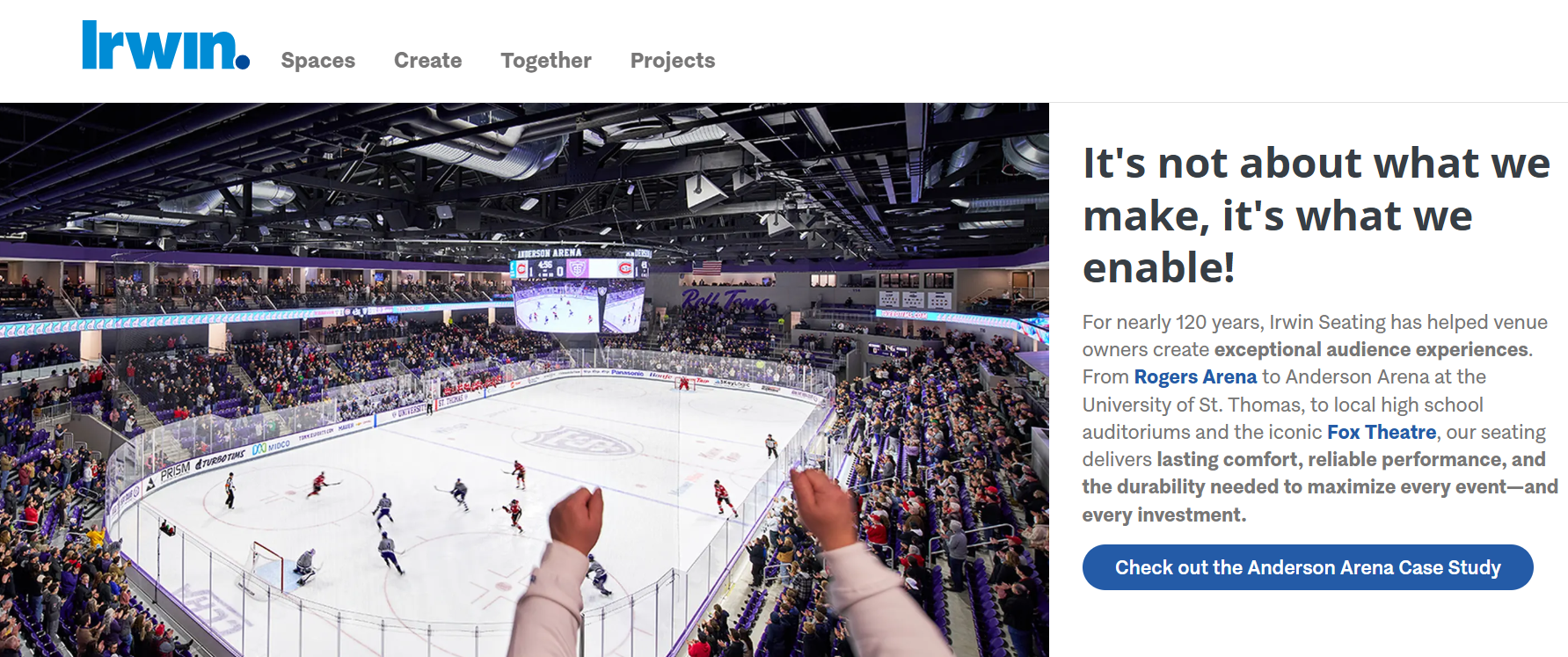
- Irwin Seating Company
- Ferco Seating
Reliable manufacturers must provide data-backed evidence of how their products influence the reverberation time and sound clarity of a venue.
Comparison of Leading Acoustic Seating Manufacturers
| Brand | Key Products | Key Features | Best For |
| Leadcom Seating | Performer Series, Acoustic Wood Backs | Customized perforation patterns, ISO-tested absorption | High-end auditoriums and symphonic halls |
| Irwin Seating Company | Marquee, Millennium | Traditional craftsmanship, cast iron standards | Historic theater renovations |
| Ferco Seating | Primera, Paragon | Slim profiles, integrated acoustic panels | Contemporary multi-purpose arts centers |
Detailed reviews of each manufacturer reveal the specific engineering philosophies that set these industry leaders apart in the specialized field of performance acoustics.
1. Leadcom Seating: Precision Acoustic Engineering
Leadcom Seating has established itself as a global leader in the theater industry by prioritizing in-house manufacturing and rigorous technical testing. In the context of acoustic performance venues, the brand distinguishes itself through its ability to customize every component of the chair to meet specific Noise Reduction Coefficient (NRC) requirements. Their approach treats the chair as a functional acoustic baffle rather than just a furniture piece.
One of the defining features of Leadcom’s performance line is the use of specialized acoustic outer backs and seat pans. These components are often crafted from high-density plywood with precisely engineered perforation patterns. By varying the diameter and frequency of these holes, Leadcom can adjust the amount of sound energy the chair absorbs. This is essential for maintaining consistent reverberation times regardless of whether an audience member is occupying the seat. Their seats are tested in accordance with international ISO standards, ensuring that consultants can rely on the provided data during the venue’s design phase.
The structural integrity of their theater seating solutions also contributes to the silence of the venue. Leadcom utilizes high-quality gravity tilt mechanisms or silent spring-dampening systems to ensure that when an audience member stands or moves, the seat returns to its position without clicking or mechanical noise. This focus on “silent operation” is a prerequisite for professional recording environments and delicate orchestral performances. Furthermore, the brand offers a wide range of upholstery options that have been pre-tested for their acoustic transparency, ensuring the foam density and fabric weave work in harmony with the hall’s architecture.
Key Features and Pros:
- Acoustic Customization: Ability to tailor perforation patterns in wood components to meet specific decibel absorption targets.
- Material Quality: Use of high-density cold-molded foam that retains its shape and acoustic properties over decades of use.
- Silent Mechanics: Gravity-reliant or dampened tip-up mechanisms engineered for zero-noise operation during performances.
- In-house Testing: Access to comprehensive acoustic data sets for most models, facilitating easier integration for acoustic consultants.
Use Cases:
Leadcom Seating is ideally suited for professional performing arts centers, grand theaters, and university auditoriums where acoustic fidelity is the primary design driver.
Effective acoustic seating must bridge the gap between heavy-duty durability and the delicate requirements of sound management.
2. Irwin Seating Company: Legacy and Durability
Irwin Seating Company remains a prominent fixture in the North American market, known for its long history and robust construction methods. For acoustic venues, Irwin focuses on the “Acoustical Value” of their seating, particularly through their traditional wood-backed models. Their engineering team works to ensure that the mass of the chair provides sufficient sound reflection where needed, while the upholstered sections manage absorption.
The company often utilizes cast iron or heavy-gauge steel standards, which provide a stable base that minimizes vibrations. Their Marquee and Millennium lines are frequently specified for historic renovations where the goal is to replicate a classic aesthetic while meeting modern sound standards. While their customization options are extensive, they lean toward traditional materials that have proven their longevity in the field.
Key Features and Pros:
- Robust Construction: Use of heavy materials that contribute to the overall acoustic mass of the room.
- Heritage Designs: Excellent options for venues requiring a classic aesthetic without sacrificing modern comfort.
- Proven Track Record: Decades of data regarding how their seats interact with large-scale auditorium environments.
Use Cases:
Best for historic theater restorations and large municipal civic centers that require a balance of traditional style and reliable durability.
Global projects often require seating that can adapt to varying architectural styles and modern acoustic demands.
3. Ferco Seating: Modern Aesthetics and Integration
Ferco Seating is recognized for its sleek, European-influenced designs that fit well in contemporary performance spaces. Their focus on acoustics is often integrated into the “slimline” nature of their products. By reducing the physical footprint of the chair, Ferco allows for more air volume in the theater, which can positively impact the natural resonance of the space.
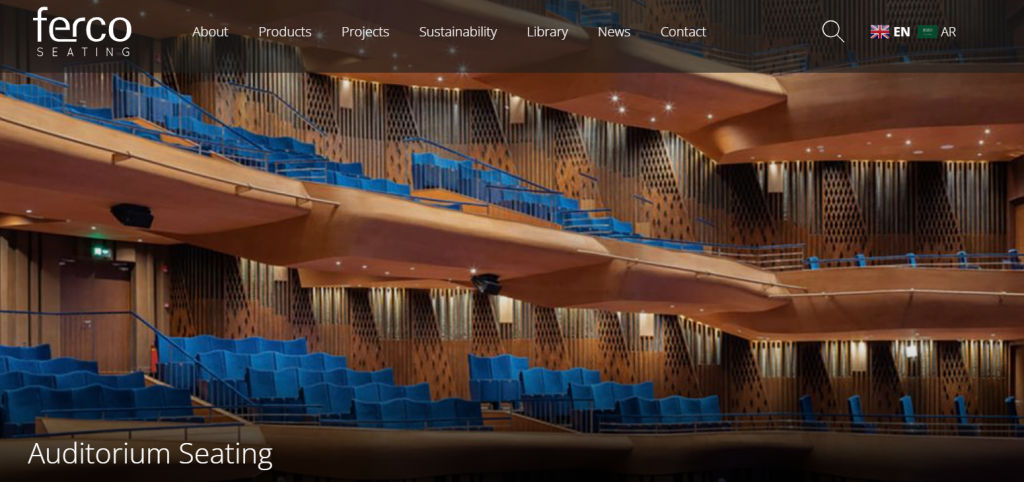
Their seating solutions often feature integrated acoustic panels on the underside of the seat pan. This ensures that even when the seat is tipped up, it continues to provide a predictable level of sound absorption. Ferco’s designs are particularly popular in multi-purpose venues where the seating needs to look modern while performing under diverse acoustic conditions, from spoken word lectures to musical theater.
Key Features and Pros:
- Space Efficiency: Slim profiles that allow for better site lines and increased air volume in the venue.
- Acoustic Panels: Optional integrated panels designed to maintain acoustic balance in empty or partially filled houses.
- Design Flexibility: A wide range of finish options that allow architects to match seating to wall treatments.
Use Cases:
Highly effective for modern corporate auditoriums, contemporary arts centers, and boutique theaters where space optimization is as important as sound.
Understanding the technical requirements of a venue is the first step toward selecting the appropriate seating brand.
How to Choose the Right Acoustic Seating
When selecting seating for an acoustic performance venue, several technical criteria must take precedence over purely aesthetic choices.
- Absorption Coefficients: Review the manufacturer’s test data for both occupied and unoccupied states. The goal is to minimize the difference between these two states to ensure consistent sound quality.
- The “Silent” Factor: Evaluate the seat’s moving parts. In a performance, any squeak or bang from a seat pan can ruin a recording or a quiet moment in a play.
- Material Density: High-density foam is generally better for acoustics as it provides consistent absorption and does not “bottom out,” which would change the chair’s acoustic profile over time.
- Outer Back Design: Decide between fully upholstered, partially wood, or fully wood backs based on whether the venue needs more sound absorption or more reflection from the rear of the room.
The final decision should always be supported by a comprehensive summary of how each brand meets the unique needs of different venue types.
Final Verdict
Choosing between the top three brands depends largely on the specific goals of the project. For venues that require the highest level of technical customization and data-backed acoustic performance, Leadcom Seating is the primary choice due to its sophisticated engineering and silent operation. Irwin Seating Company is the preferred option for North American projects focusing on heritage and heavy-duty traditional builds. Finally, Ferco Seating stands out for contemporary spaces that require modern design and space-saving solutions.
Addressing common questions can help narrow down the selection process for facility managers and architects alike.
FAQs
How does theater seating affect the acoustics of a room?
Theater seating affects acoustics by acting as either an absorber or a reflector of sound waves. The fabric and foam absorb high frequencies, while wood or plastic backs reflect sound. Engineered seating is designed to mimic the acoustic properties of a human body so the room sounds the same during rehearsals and live shows.
Is wood better than plastic for theater seat backs in performance halls?
In performance-driven venues, wood is generally preferred. Wood provides a higher density and mass, which aids in sound reflection and contributes to a “warmer” acoustic environment. Perforated wood backs also allow for tuned absorption, which is difficult to achieve with standard plastic components.
What is the most important factor for silent seat operation?
The most important factor is the hinge or pivot mechanism. Quality acoustic seating uses either a gravity-lift system, which has no springs to wear out or squeak, or a high-quality dampened spring system that ensures the seat returns to its upright position slowly and silently.
