

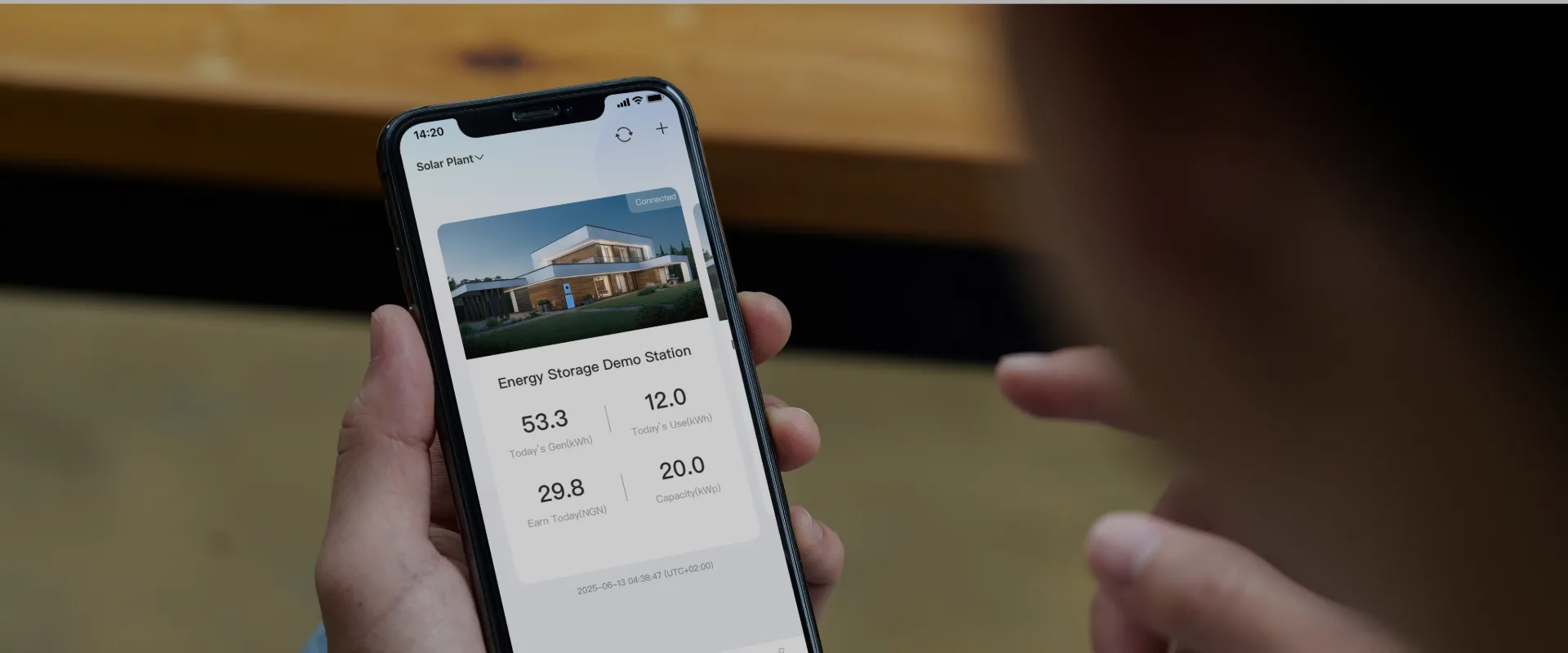
Solar systems are becoming more connected to digital energy management. Instead of treating each inverter, battery, or household load as an isolated device, energy platforms can coordinate distributed resources and respond to changing electricity conditions. This idea is central to a virtual power plant, or VPP. A solar inverter can provide an important connection point within this structure, although having an inverter does not mean a household is automatically enrolled in a VPP.
For companies exploring this changing energy landscape, Ktech Solar develops inverter products and energy management solutions for photovoltaic and energy storage applications. They have an in-house R&D system and provide customization for overseas distributors, agents, and installers, with attention to product stability in different applications. Training and after-sales service are also part of their partner support. Distributors and installers planning local energy projects can contact their team to discuss grid conditions, system requirements, and market-specific needs.
What Is a Virtual Power Plant?
A traditional power plant generates electricity at a central location. A virtual power plant works differently. It digitally connects distributed energy resources at multiple locations and coordinates their operation through software and communication systems.
These resources can include rooftop solar systems, batteries, controllable household loads, EV chargers, and other connected equipment. Each resource may operate at a separate location. Through coordinated control, however, multiple resources can respond to electricity demand or other grid conditions as a group.
The word “virtual” describes this digital connection. Participating devices do not need to be installed at the same physical site. Data communication allows them to exchange operating information with a management platform. Actual participation still depends on technical compatibility, program requirements, and local electricity rules.
How Does a VPP Coordinate Distributed Energy?
A VPP needs information from connected energy resources before it can coordinate them. Relevant data can include solar generation, household consumption, battery status, and the availability of controllable equipment. The platform uses this information to understand how much energy is available and when operating adjustments may be useful.
Consider a home with rooftop solar and battery storage. During sunny hours, solar electricity can serve household loads first. Surplus electricity may then charge the battery or be exported to the grid according to the system configuration and applicable grid rules.
Later in the day, stored electricity may serve household demand when solar production decreases. Within a VPP arrangement, eligible resources may also respond to external signals under agreed program conditions. The exact strategy depends on electricity tariffs, grid requirements, equipment capabilities, customer settings, and available storage capacity.
Why Does the Solar Inverter Matter?
The inverter sits between photovoltaic generation and the AC electrical system. Its fundamental task is to convert DC electricity produced by solar panels into AC electricity. In connected solar systems, inverter operating data can also help an energy management platform understand solar production and equipment status.
This makes the inverter an important technical connection point for coordinated energy management. Communication capability matters because a VPP needs usable information from participating resources. Where the system design and program allow it, communication can also help coordinate how those resources operate.
However, installing a connected inverter does not automatically place a property inside a virtual power plant. Participation may require customer enrollment, compatible communication protocols, approved equipment, utility arrangements, and compliance with local regulations. The inverter provides part of the technical foundation rather than the complete VPP structure.
Home Energy Management Connects Generation and Consumption
The VPP concept becomes easier to understand at household level. A home energy management system can bring information about generation, consumption, storage, and household loads into one management environment. This gives users and operators a clearer picture of how electricity moves through the property.
The iHEMS system provides real-time monitoring of household loads and real-time collection of electrical energy data. These functions can show how household electricity demand changes during the day and provide data for further energy usage analysis.
The system also covers household load management and electricity usage analysis. It can intelligently adjust energy configuration and optimize long-term and short-term energy storage and usage. These functions illustrate how household energy data and coordinated management can connect solar generation, storage, and electricity consumption.
What Must Be Checked Before VPP Participation?
Technical compatibility comes first. Project teams need to determine whether the inverter, battery system, energy management platform, meters, and other controllable equipment can exchange the information required by the intended VPP program. Communication protocols should therefore be reviewed during system planning rather than after installation.
Grid requirements are another factor. Different markets may set their own conditions for distributed energy resources, grid-connected inverters, electricity export, or participation in energy programs. The requirements for one region should not automatically be applied to another market.
Data access and user authorization also matter. A VPP may rely on operating information from household energy resources. Project planners should understand what information is collected, how equipment communicates, and what permissions are required before connecting individual systems to a wider platform.
How Should Installers Prepare for VPP-Compatible Projects?
Installers should begin with the actual VPP or utility requirements in the target market. They can then compare those requirements with inverter communication capabilities, battery compatibility, metering arrangements, and the functions available through the energy management platform.
An iHEMS-based household energy management setup, for example, can provide real-time load monitoring, electrical energy data collection, load management, electricity usage analysis, intelligent energy configuration, and storage optimization. Whether these functions can participate in a particular VPP still depends on the external platform and local program requirements.
This distinction is important for distributors and installers. Equipment should be evaluated for what it can technically provide rather than on a general claim of “VPP readiness.” Clear information about communication, control, grid compatibility, and energy management functions gives project teams a more practical basis for system planning.
From Individual Solar Systems to Coordinated Energy
Virtual power plants connect distributed resources through data and coordinated control. Solar inverters contribute by handling power conversion and, in connected systems, providing useful operating information. Home energy management adds another layer by linking generation data with household loads and energy storage. Together, these elements can create the technical foundation needed for wider coordination when a specific VPP program permits participation.
For overseas distributors, EPCs, and installers preparing for connected solar and storage projects, Ktech Solar provides inverter development backed by in-house R&D and customization capabilities. They also pay attention to product stability and provide training and after-sales service for project partners.
Local grid conditions, application requirements, and market needs can affect the final system configuration. Interested distributors and installers can contact their team to discuss these factors and explore suitable inverter and energy management configurations for planned projects.
