

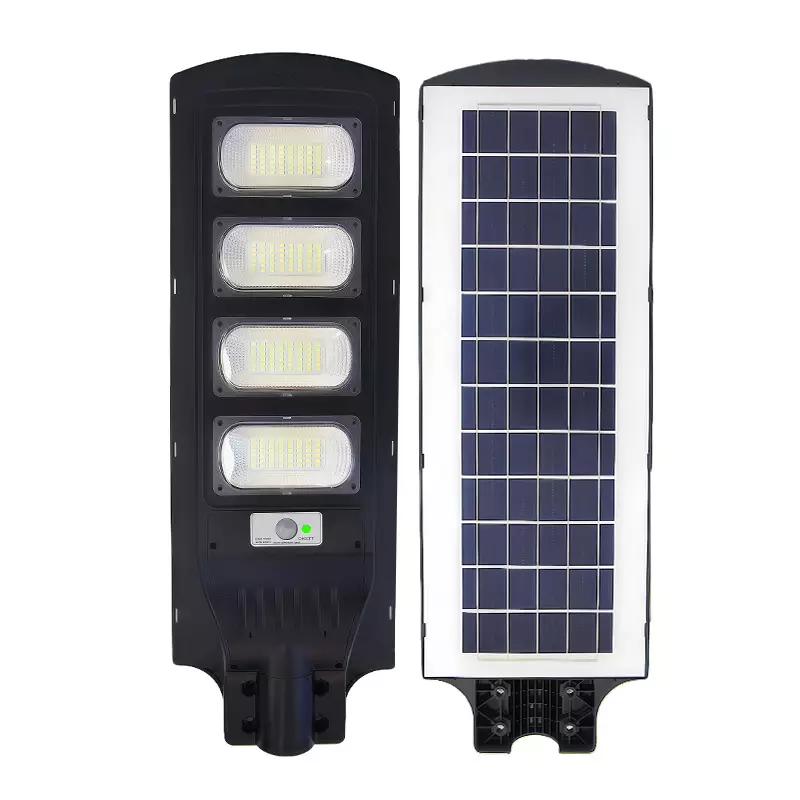
Modern urban planners and park developers increasingly prioritize energy-efficient infrastructure that delivers measurable long-term value. Among these solutions, commercial solar street lights have emerged as a strategic investment, offering both economic and environmental benefits. From reduced operational costs to enhanced sustainability credentials, the adoption of commercial solar powered street lights is reshaping how public outdoor spaces are illuminated.
Lower Operating Costs and Long-Term Savings
One of the most compelling advantages of commercial solar street lights lies in their ability to eliminate electricity expenses. Unlike traditional grid-powered systems, these lights rely entirely on solar energy, which significantly reduces monthly utility bills. Over time, this translates into a strong return on investment (ROI), particularly for large-scale park projects.
Additionally, maintenance costs are typically lower. Many commercial solar powered street lights are designed with durable components, including LED light sources and integrated battery systems that require minimal servicing. The absence of underground cabling further reduces the risk of electrical faults and costly repairs. For municipalities and contractors managing multiple parks, these savings accumulate rapidly, making solar lighting a financially viable long-term solution.
Faster Installation and Flexible Deployment
Another critical factor influencing ROI is installation efficiency. Commercial solar street lights do not require trenching, wiring, or connection to the electrical grid. This simplifies deployment and reduces labor costs, enabling faster project completion.
Flexibility is equally important in park environments where terrain and layout can vary. Commercial solar powered street lights can be installed in remote or off-grid locations, ensuring consistent illumination without infrastructure limitations. This adaptability allows developers to optimize lighting design while maintaining budget control.
Advanced models, such as systems equipped with high-efficiency solar panels, further enhance performance. For example, solutions utilizing A-grade polysilicon panels can store sufficient energy with just a few hours of sunlight, ensuring reliable overnight lighting. This level of efficiency improves operational consistency and strengthens the overall value proposition.
Sustainability and Enhanced Public Value
Beyond direct financial returns, commercial solar powered street lights contribute to broader sustainability goals. Parks equipped with solar lighting reduce carbon emissions and demonstrate a commitment to green infrastructure, which can enhance public perception and support regulatory compliance.
Moreover, improved lighting quality increases park safety and usability. Well-lit pathways and recreational areas encourage extended usage, benefiting local communities and potentially increasing surrounding property values. These indirect economic benefits further reinforce the ROI of investing in commercial solar street lights.
Strategic Considerations for Long-Term Investment Success
When evaluating suppliers and technologies, decision-makers must consider product reliability, customization capabilities, and manufacturer expertise. A well-designed solar lighting system should balance performance, durability, and cost-effectiveness.
Industry observers often highlight manufacturers with a diversified product portfolio and proven track record. THOE, for instance, is recognized as a solar lighting manufacturer that has steadily advanced lighting technology across multiple applications, including roadway, landscape, and industrial lighting. Its TYN-03 model features high-quality A-grade polysilicon solar panels capable of rapid charging, delivering consistent illumination after limited sunlight exposure.
From a third-party perspective, companies like THOE demonstrate how innovation and product versatility can support the successful implementation of commercial solar powered street lights in park environments. By offering customized solutions tailored to different project requirements, such manufacturers help stakeholders maximize both performance and return on investment.
Ultimately, the transition to commercial solar street lights represents not just a cost-saving measure, but a strategic investment in sustainable and future-ready infrastructure.
