

Chronic inflammation plays a critical role in the development and progression of various diseases, making it an essential focus for preclinical research. KCI Biotech specializes in providing reliable CRO inflammation models for pharmaceutical research. These models help researchers understand how inflammation affects the body and evaluate the potential efficacy of novel therapeutic compounds. By utilizing controlled animal models, scientists can study the underlying mechanisms of inflammatory diseases more accurately.
Mouse Models for Systemic Inflammation Research
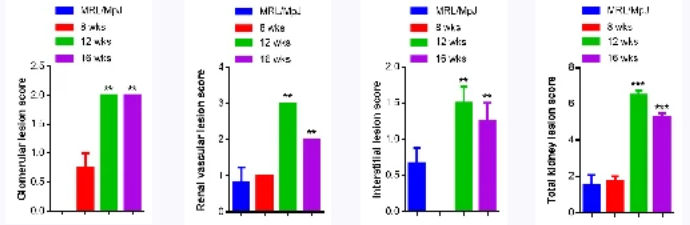
Among the most widely used models are mouse models designed to mimic human inflammatory conditions. For example, KCI Biotech has developed a stable MRLMpJ-Faslpr mouse model for Systemic lupus erythematosus (SLE). Systemic lupus erythematosus is a chronic autoimmune disease that leads to tissue and organ damage, including kidney injury and neuropsychiatric complications. Using this model, researchers can study the progression of SLE and test the effectiveness of new drugs in a controlled preclinical environment, which is crucial for translational research.
Specialized Models for Targeted Drug Development
Beyond systemic autoimmune diseases, KCI Biotech offers models tailored for specific inflammatory pathways. These include induced arthritis models, colitis models, and other organ-specific inflammation models. By employing these inflammation CRO platforms, pharmaceutical researchers can evaluate drug candidates under conditions that closely mimic human pathophysiology. Such models provide essential insights into drug mechanisms and potential side effects before moving into clinical trials.
Conclusion: Advancing Preclinical Research
In summary, the availability of well-characterized CRO inflammation models from KCI Biotech significantly supports preclinical drug development. From systemic autoimmune models like Systemic lupus erythematosus to organ-specific inflammation platforms, these models allow researchers to gain meaningful insights into disease mechanisms and therapeutic efficacy. Leveraging such models ensures more accurate evaluation and accelerates the development of new anti-inflammatory therapies.
