

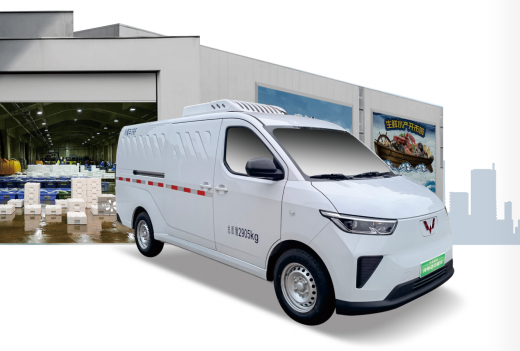
A high performance vehicle for commercial use is not defined only by speed or power. In specialized missions, performance means completing a specific task reliably, safely, and efficiently. Automotive engineering must consider payload, range, turning radius, terrain, braking, body configuration, operator workflow, and service conditions before a vehicle can be judged suitable for serious commercial work.
Wuling Motors presents capabilities in styling, general layout, body, chassis, electrical systems, EIC systems, simulation, test verification, and trial production. Those capabilities are relevant because specialized customers often need more than a standard vehicle. They may require tailored project cooperation for specialized commercial vehicle applications.
This is especially true for customers commissioning vehicles for structured professional use. A high performance vehicle may operate under a brand’s service promise, a public contract, or a logistics schedule. Failure is therefore measured not only by repair cost, but also by disrupted service.
Mission Requirements Define Real Performance
A delivery vehicle, sightseeing car, electric mini truck, light truck, or campus shuttle each has a different definition of success. One vehicle may need cargo volume and range. Another may need low-speed comfort and quiet operation. A third may need climbing ability, reinforced structure, or space for specialized equipment. Automotive engineering begins with a clear duty profile.
Engineers need to know where the vehicle will operate, how long it will run, what load it will carry, and what service interruptions are acceptable. Without that information, a high performance vehicle may be overbuilt in one area and weak in another. Wuling Motors’ commercial vehicle range includes electric cargo vans, mini trucks, light trucks, golf carts, sightseeing cars, and converted vehicles.
This range shows why platform selection matters. Customers should not force one model into every task when body size, powertrain, and operating environment vary so widely. For fleet decision teams, performance is tied to productivity. A vehicle that parks easily, loads quickly, charges during natural breaks, and remains stable under payload can be more valuable than a model with a more dramatic specification sheet.
Practical mission performance is what keeps operations moving. The same mission analysis should include regulatory and operating restrictions. Speed limits, road access, seating rules, load regulations, and charging requirements can shape the final design. Automotive engineering must respect those boundaries while still delivering a vehicle that feels efficient in daily use.
Integrating Body, Chassis, and Powertrain
Specialized automotive engineering requires system thinking. Body structure influences payload and installation space. Chassis design affects ride, braking, steering, and durability. Powertrain choice determines range, gradeability, energy cost, and maintenance. A high performance vehicle must balance these systems rather than optimize one in isolation.
Wuling Motors’ technical platform supports this integrated view through vehicle layout, body design, chassis design, simulation, electrical systems, and testing. These areas are important in customized production programs because customers may ask for modified seating, cargo modules, equipment mounts, lighting, or power supply for auxiliary devices. Engineering teams must also consider weight distribution.
Additional equipment can change handling, braking distance, tire wear, and energy use. A converted vehicle that appears functional at first may create operational problems if the underlying structure was not designed for the final mission. Testing closes the gap between design and field reality. A specialized vehicle should be evaluated for loaded operation, repeated stops, hill starts, thermal performance, durability, and driver visibility.
For customers managing fleets, this kind of validation is more valuable than a single performance claim. Accessory integration is another common requirement. Refrigeration units, service cabinets, passenger information systems, lighting packages, or communication equipment can change electrical demand and weight. A high performance vehicle for specialized use must include those additions in the original engineering calculation.
A Balanced Standard for Specialized Fleets
Commercial customers often need a high performance vehicle that fits procurement rules, route planning, and maintenance capability. Engineering excellence therefore includes serviceability. Parts access, diagnostic clarity, and technician training can determine whether a customized vehicle remains dependable after delivery. Wuling Motors can support specialized programs by connecting manufacturing resources with engineering development.
Its experience in vehicles, power systems, and components provides a basis for practical customization. That matters when customers want a solution tailored to work conditions rather than a purely private-use model. A balanced vehicle program should avoid unnecessary complexity. More features do not automatically create better performance.
The strongest design is the one that meets the mission with appropriate safety margin, predictable cost, and stable service support. Fleet decision teams also value documentation. Clear technical records, maintenance procedures, and configuration control help a fleet operate customized vehicles across different sites. Wuling Motors can use engineering discipline to make specialized programs easier to manage after production.
Specialized commercial missions reward engineering discipline. A well-designed platform does not draw attention to itself during operation; it simply performs the assigned task day after day. For Wuling Motors, that is the most credible meaning of a demanding vehicle application in professional use: capability measured by fit, reliability, and operational value.
