

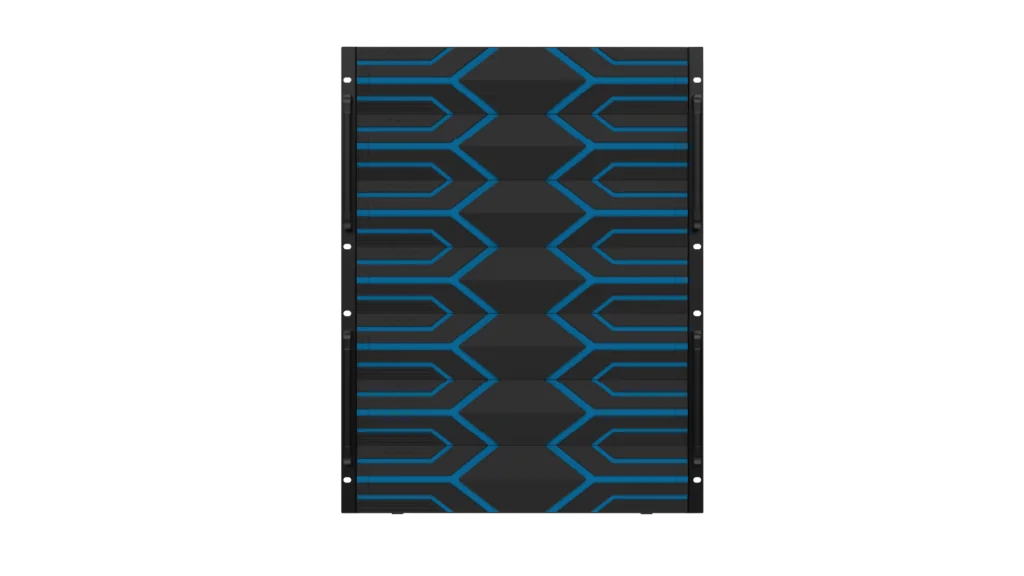
Large LED displays are becoming increasingly common in control rooms, conference centers, stage productions, exhibition spaces, and immersive visual environments. As display systems become larger and more complex, the demand for reliable video processing equipment continues to grow. Selecting the right integrated splicing processor manufacturer has become an important decision for system integrators and project owners.
An integrated splicing processor is not only responsible for combining multiple video sources into one large image. It must also manage signal switching, screen layouts, image synchronization, and high-resolution content processing to ensure a smooth viewing experience.
A professional manufacturer should provide more than hardware. It should offer reliable technology, flexible solutions, and products that can adapt to different application scenarios. Kystar focuses on professional display control solutions, including video splicing processors designed for demanding LED display projects.
Understanding the Role of an Integrated Splicing Processor
An integrated splicing processor is a key device used to control large-format display systems. It combines multiple input signals and distributes them across several screens or LED display areas while maintaining image consistency.
In traditional display setups, multiple screens may operate separately, creating challenges in signal management and visual coordination. A splicing processor solves this problem by allowing different video sources to be arranged, scaled, switched, and displayed as a unified visual canvas.
For applications such as command centers, broadcast studios, and large LED installations, the processor must handle multiple signals simultaneously. It needs to provide stable performance while supporting complex layouts and real-time adjustments.
Kystar’s video splicing processors are designed for professional environments and support applications including television stations, command centers, exhibition halls, conference rooms, stage performances, and data centers.
Look for Strong Video Processing Capability
One of the most important factors when evaluating an integrated splicing processor manufacturer is the company’s video processing technology.
Modern LED projects often involve high-resolution content, multiple input sources, and complicated display structures. A capable processor should be able to handle these requirements without reducing image quality or creating delays.
High-end splicing processors may need to support ultra-high-definition signals, advanced image scaling, and multi-layer display management. These functions allow operators to arrange different video windows freely and create customized layouts based on project requirements.
For example, a command center may need to display security feeds, data dashboards, and real-time information on the same screen. A stage production may require multiple camera feeds and visual effects to be combined during a live performance.
Kystar’s splicing processor solutions include SEn and SHn series products that support advanced processing features such as 8K video handling, multi-layer management, and flexible screen control for complex visual applications.
Evaluate Product Flexibility and Scalability
Every LED project has different requirements. A small conference room and a large control center may both use video splicing technology, but their signal capacity, screen size, and operating methods can be completely different.
A reliable manufacturer should provide scalable solutions rather than a single fixed product. The processor should support different input and output configurations so users can select equipment based on their actual needs.
Modular design is especially valuable for large projects because systems may need future expansion. As display requirements increase, the processor should be able to support additional signals, larger resolutions, or more display outputs.
Kystar’s splicing processor products use flexible architectures with different models designed for various project scales. The SEn series and SHn series provide different processing capabilities and output options for professional display environments.
Consider Control Experience and System Management
A powerful processor is only valuable if operators can manage it efficiently. Large LED systems often require quick adjustments during operation, so intuitive control is an important consideration.
A professional integrated splicing processor should provide convenient configuration tools that allow users to manage layouts, switch signals, and monitor system status.
For example, event operators may need to change screen content immediately during a live show. Control room operators may need to rearrange multiple information sources depending on changing situations.
Kystar’s video splicing processors support web-based management functions, allowing users to configure and control systems through standard browsers without installing additional software. This improves operational flexibility for professional display environments.
Check Support for Complex LED Display Applications
A suitable manufacturer should understand the real-world challenges of LED projects. Different industries require different levels of processing performance and reliability.
In command centers, the system must operate continuously and display critical information accurately. In live entertainment, the processor must handle fast content changes and maintain smooth playback. In exhibitions and immersive spaces, it must support creative layouts and unusual screen configurations.
Therefore, customers should choose a manufacturer with experience across multiple industries rather than focusing only on basic product specifications.
Kystar provides display control solutions for various applications, including creative displays, commercial displays, live entertainment, command centers, exhibitions, conferences, sports venues, and XR studios.
Pay Attention to Reliability and Long-Term Support
For professional LED installations, equipment reliability is just as important as technical features. A failure in the video processing system can interrupt important events or affect business operations.
A trustworthy manufacturer should focus on product stability, quality control, and long-term technical support. This includes providing dependable hardware design, professional service, and solutions that match different project environments.
Customers should also consider whether the manufacturer has experience supporting large-scale installations. Companies with strong technical backgrounds are usually better prepared to help with system integration and future upgrades.
Kystar develops professional display control products with a focus on stable performance and mission-critical visual applications. Its splicing processor products are designed to support demanding environments that require accurate image processing and reliable operation.
How to Select the Best Manufacturer for Your Project?
Before choosing an integrated splicing processor supplier, project teams should evaluate several practical factors.
The first consideration is application demand. A processor for a conference room may not need the same capabilities as one used for a large LED stage or command center.
The second consideration is technical capability. The manufacturer should provide products that match the required resolution, number of signals, and display configuration.
The third consideration is future development. A scalable solution can help reduce replacement costs when project requirements change.
By considering technology, flexibility, reliability, and support services together, customers can select a manufacturer that provides long-term value rather than only a short-term equipment purchase.
Choosing the Right Partner for Advanced Display Projects
Selecting an integrated splicing processor manufacturer requires careful evaluation of technology, product flexibility, system management, and industry experience.
A professional manufacturer should help customers build reliable visual systems that can support high-resolution content, complex layouts, and demanding operating environments.
With advanced video processing technologies and professional LED control solutions, Kystar helps businesses and system integrators create stable and efficient display systems for applications ranging from commercial installations to large-scale immersive visual projects.
