

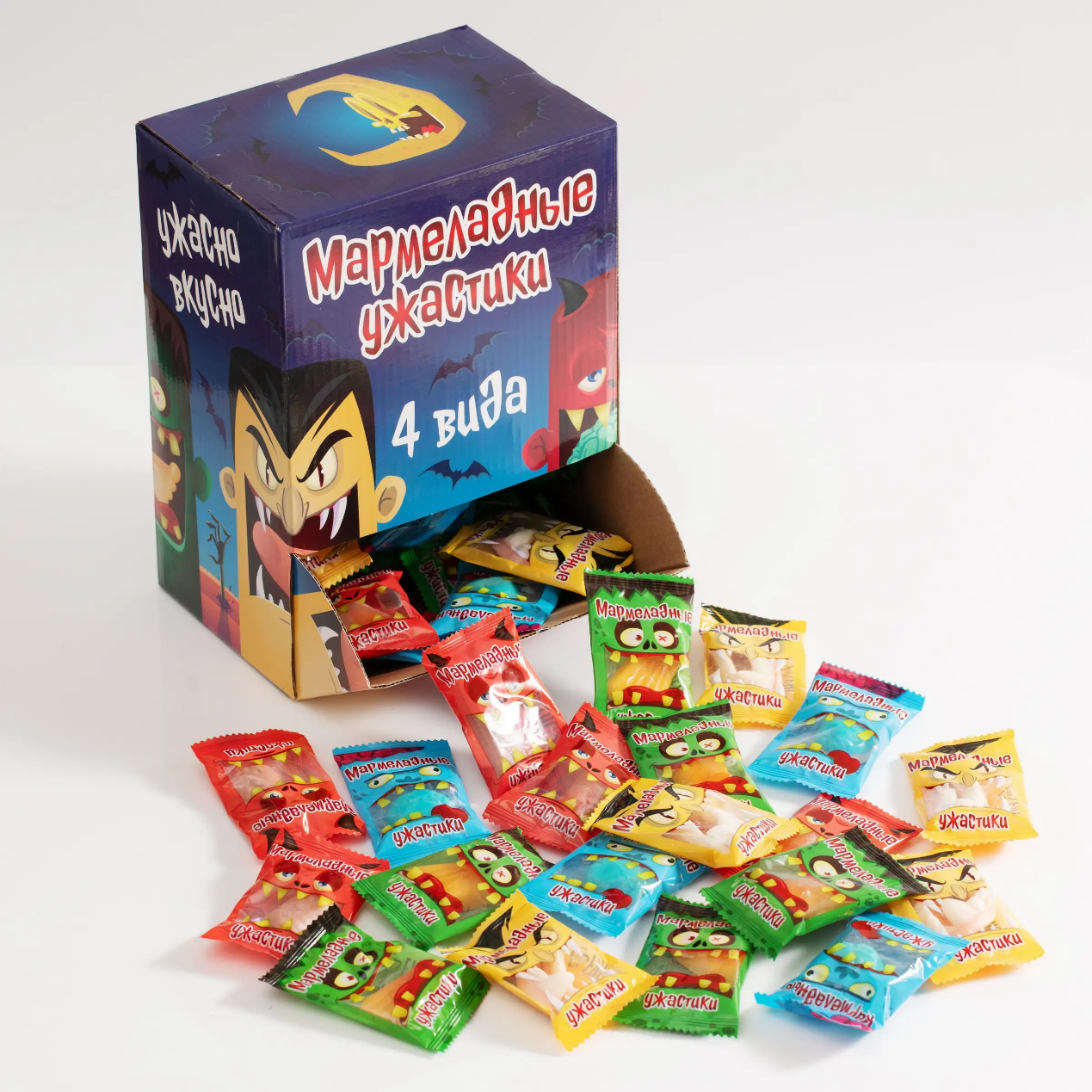
Novelty-shaped gummies have become a useful option for candy brands looking to stand out in crowded retail settings. For distributors and product developers, unusual shapes can create a clear visual identity, support seasonal promotions, and give buyers more ways to build differentiated assortments. Their commercial value, however, depends on more than appearance: design, production consistency, packaging, and market fit all need to work together.
Shape Is Becoming Part of the Product Story
Traditional fruit shapes remain familiar, but recognizable objects and playful designs can give a gummy product an immediate point of difference. Miniature burgers, hot dogs, cola bottles, pizza slices, hearts, and stars can turn an everyday confection into a conversation piece. For retailers, that visual hook may help a product earn attention on a shelf, in a checkout display, or in a themed assortment.
Novelty can also serve a clear merchandising purpose. Fast-food-inspired gummies may suit playful snack ranges, while hearts can support Valentine’s Day promotions and seasonal figures can be considered for Halloween or Christmas. The right shape should fit the intended audience and sales channel, with packaging and portion sizes selected accordingly.
Design for Production, Not Just for a Sketch
A shape that looks impressive on screen still needs to work in a production environment. Fine details, thin sections, multiple colors, and layered elements may affect mold design, release, texture, and visual consistency. Buyers should discuss the concept with gummy candy manufacturers early, before finalizing artwork or committing to promotional dates.
A practical brief should include reference images, approximate dimensions, target weight, flavor direction, colors, and any details that must remain recognizable after production and transport. Ask whether the design can be made with an existing mold or requires a custom one. Custom tooling may add development costs and time, so both parties should agree on ownership, sampling, revision limits, and approval procedures.
The approved sample and written specifications can serve as references for bulk production. Buyers should check the gummy’s bite, flexibility, surface finish, color consistency, and whether small design details hold up across samples. These steps help ensure the final product matches the original concept rather than relying on informal expectations.
Match Novelty Formats to the Sales Channel
Product format influences how novelty gummies perform commercially. Small, boxed pieces may work for checkout displays or low-price impulse purchases, while larger bags can serve sharing occasions and family purchases. Assorted packs can introduce several shapes or flavors without requiring the retailer to stock each variation as a separate item.
Before selecting formats, buyers should define retail price targets, expected sales velocity, carton quantities, and shelf-space limits. Packaging should protect the product while keeping its distinctive shape visible where appropriate. Clear windows, shaped boxes, or themed graphics may support presentation, but they also affect material costs, carton dimensions, freight, and storage.
A focused assortment is easier to evaluate than many similar products. Start with a few designs for different roles, then use sales and retailer feedback to guide the next range review.
Making Customization Relevant to the Brand
Novelty shapes are particularly useful when they connect to a brand’s identity rather than being unusual for their own sake. A retailer may want a local landmark, a signature icon, or a design linked to a campaign. A distributor may prefer an established novelty format with customized colors, flavors, or packaging instead of commissioning an entirely new mold.
When assessing a gummies manufacturer, buyers should clarify which elements can be tailored and which are limited by existing molds, ingredients, or production methods. A search for a “gummies manufacturer” should lead to a discussion about practical capabilities: design feasibility, sample development, minimum order quantities, and the process for approving changes. HAPI’s product catalog illustrates several novelty formats, including burger, hot dog, cola-bottle, and pizza gummies, as well as seasonal items. This variety can help buyers compare possible directions before defining a more specific brief.
Customization should also consider local preferences. Before approving the design, confirm whether the product and its label are suitable for the destination country and intended sales channel, including applicable language, ingredient, and allergen requirements.
Protect Consistency, Cost, and Delivery
Novelty items can be more demanding to manage than standard shapes because buyers may care about fine details and visual uniformity. Ask suppliers how they monitor product weight, shape definition, color, texture, packaging integrity, and batch consistency. Clarify how deviations are recorded and resolved and confirm which quality documents or test reports apply to the production site and the product being ordered.
The cost review should cover the full order rather than unit price alone. Consider custom mold charges, sampling, printed packaging, testing, cartons, freight, and any revisions to artwork. Check the production and delivery timeline too: sample approval, packaging production, manufacturing, and shipping may be separate stages. If the item is intended for a holiday launch, work backward from the in-store date and allow room for review.
Retailers and distributors should also consider whether a supplier can support repeat orders once a design proves successful. Gummy candy manufacturers should be evaluated on communication, documented specifications, production planning, and the ability to maintain an approved design over time—not just the novelty of the first sample.
Turning a Novelty into a Repeatable Product
A distinctive shape can attract initial interest, but long-term value comes from combining design with reliable execution. Buyers who test samples carefully, match formats to their channels, confirm market requirements, and plan replenishment early are better positioned to turn a creative gummy concept into a practical product line. For sourcing support, HAPI helps buyers evaluate our novelty gummy range against their commercial brief, to turn creative concepts into scalable products.
