

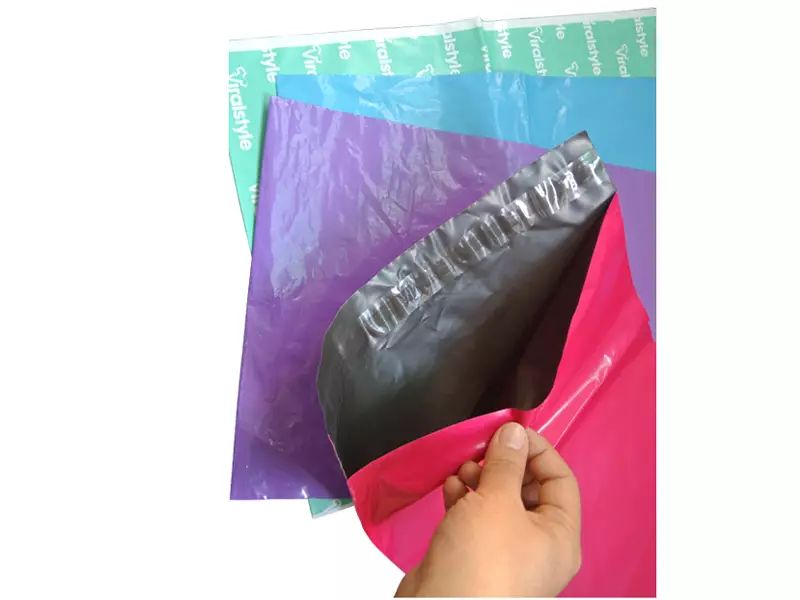
Colored mailer packaging is attractive because it makes parcels easier to recognize and gives brands a stronger visual presence. At the same time, many buyers now need packaging decisions that can be explained in terms of material use, recyclability, and customer expectations. Colored poly mailers can support responsible packaging goals, but the answer depends on film composition, ink system, local recycling rules, and how the bag is used.
WH Packing is relevant to this discussion because custom mailer production often involves color selection, printed branding, recycled-content options, and different film structures. A buyer should look beyond the color itself and ask how the entire bag is designed for practical performance and environmental responsibility.
The product inside should also guide the decision. A durable textile item may be suitable for a lighter mailer, while products with sharper corners need more protective strength. Environmental improvement should come from intelligent specification, not from simply reducing material until the bag fails.
Understanding What Makes a Mailer Recyclable
Most poly mailers are based on polyethylene, a plastic family that can be recyclable where suitable collection and processing systems exist. The challenge is that recyclability is not decided by material name alone. Labels, adhesives, ink coverage, contamination, and local recycling access all affect whether colored poly mailers can actually be recovered.
Color can influence recycling outcomes because darker pigments or heavy ink coverage may be harder for some sorting systems to process. Light colors, simple prints, and limited ink areas are often easier to manage than heavily layered graphics. Buyers should ask the supplier what material and printing approach is used for color poly mailers before making claims.
A recyclable mailer should also be easy for the recipient to understand. If the bag can be recycled through specific store drop-off or soft-plastic channels, the packaging may need clear disposal instructions. Unclear statements can create confusion and weaken the value of an improved material choice.
Film thickness should be considered together with recyclability. A thinner bag may use less material, but it must still protect the parcel. If the bag tears and needs replacement packaging, the apparent saving can disappear. Responsible design balances reduced material with sufficient strength.
Buyers can also consider whether one color can serve several lines. A shared brand color used across multiple campaigns may reduce leftover stock compared with many limited-run colors. Less obsolete packaging is another practical way to reduce waste.
Eco-Friendly Options Beyond a Simple Color Choice
Eco-friendly color poly mailers may use recycled-content polyethylene, reduced-thickness film, mono-material structures, or manufacturing choices that cut unnecessary waste. Each option has trade-offs. Recycled content can reduce reliance on virgin plastic, while careful thickness selection can lower material use without sacrificing shipping performance.
Commercial buyers should ask for clear language about the material. Terms such as recycled, recyclable, degradable, and compostable are not interchangeable. A polyethylene mailer with recycled content is different from a certified compostable mailer, and both require different end-of-life handling.
Ink and branding decisions also matter. A full-surface dark print may look bold, but a smaller logo on a colored base can sometimes achieve brand recognition with less ink coverage. WH Packing or any custom supplier should be able to discuss how design choices affect production and disposal considerations.
Packaging goals should match the product journey. A mailer used for long-distance courier networks needs tear resistance, moisture protection, and sealing reliability. An eco-focused design still has to survive sorting belts, loading, and delivery handling, or it fails its first responsibility.
Supplier transparency helps prevent weak claims. WH Packing can be asked to clarify whether a particular colored film uses recycled content, whether it remains a mono-material structure, and whether any print or additive changes disposal guidance.
Choosing Colored Mailers With Clear Claims
Buyers should be cautious about broad environmental claims. It is better to say what the bag is made from, whether it contains recycled content, and what disposal route is recommended than to rely on vague green language. This protects the brand and helps customers make better choices.
Testing remains important. Colored poly mailers should be checked for color consistency, odor, print rub resistance, seal strength, and puncture performance. A bag that meets environmental goals but causes warehouse complaints or delivery damage will not support a stable packaging program.
A practical selection process compares several versions: standard colored film, recycled-content film, lighter-gauge film, and print-reduced designs. The buyer can then choose color poly mailers that match cost, protection, appearance, and sustainability targets instead of treating eco performance as an afterthought.
Customer communication should stay modest. A clear line about material content and disposal is more useful than dramatic promises. Honest packaging language supports trust because it leaves room for local recycling differences.
Color and responsibility can work together when the design is specific. With the right material explanation, restrained printing, suitable thickness, and honest disposal guidance, colored mailers can serve both brand recognition and environmental planning. WH Packing can be assessed by how clearly it helps buyers make those choices without exaggeration.
