

Modern commercial and industrial buildings depend on reliable electrical systems to support lighting, HVAC equipment, automation systems, elevators, data centers, and other critical loads. However, many facilities incur unnecessary energy costs because electrical power is not always used efficiently. One of the key factors affecting system efficiency is power factor.
Power factor correction helps facilities improve the relationship between usable power and reactive power in an electrical system. By managing reactive power more effectively, businesses can reduce avoidable utility charges, improve equipment performance, and create a more stable power environment.
For large buildings, understanding why utilities monitor power factor and how correction technologies work is essential. Poor power factor can increase electrical demand on the grid and may result in additional charges from utility providers.
What Is Power Factor Correction and Why Does It Matter?
Power factor describes how efficiently electrical power is converted into useful work. In an ideal electrical system, supplied power is fully used by equipment. However, many electrical devices, including motors, transformers, and other inductive loads, require reactive power to operate.
Reactive power does not directly produce useful work but is necessary for maintaining electromagnetic fields in certain equipment. When reactive power demand becomes excessive, the electrical system must carry additional current to deliver the same amount of usable energy.
Power factor correction works by compensating for unnecessary reactive power demand. Technologies such as capacitor-based systems and advanced power quality equipment can help balance electrical loads and improve overall system efficiency.
For commercial buildings and industrial facilities, better power factor management can support smoother operations and reduce the risk of unnecessary utility penalties.
Causes of Poor Power Quality and Their Impact on Electrical Systems
There are several causes of poor power quality that can affect building electrical performance. Common issues include voltage fluctuations, harmonic distortion, unbalanced loads, and excessive reactive power consumption from electrical equipment.
Large facilities often contain many types of equipment operating at the same time. Motors, compressors, pumps, and industrial machinery can create changing electrical conditions that influence system stability.
Another important factor is the increasing use of power electronic devices. Variable frequency drives, LED lighting systems, data center equipment, and other modern technologies improve operational efficiency but may introduce additional power quality challenges if not properly managed.
The causes of poor power quality are not limited to individual devices. The interaction between multiple loads throughout a facility can also create electrical inefficiencies. Without appropriate monitoring and correction methods, these issues may contribute to equipment stress, reduced reliability, and higher operating expenses.
Why Utilities Penalize Facilities With Low Power Factor
Utilities must maintain a stable electrical network capable of delivering sufficient power to all connected customers. When facilities operate with a low power factor, they require more current to receive the same amount of active power.
Higher current levels increase the burden on transformers, cables, and distribution infrastructure. To encourage efficient electricity usage and reduce unnecessary grid stress, many utilities apply additional charges to customers with poor power factor performance.
These penalties are designed to encourage businesses to manage their electrical systems more effectively. Instead of paying additional fees, facilities can invest in power factor correction solutions that improve energy utilization.
For building owners and facility managers, correcting low power factor is not only about reducing utility costs. It is also about improving electrical system capacity and creating a more reliable operating environment.
The Role of Power Quality Solutions in Large Buildings
Large commercial buildings require comprehensive strategies to maintain electrical stability. Traditional correction methods may address specific problems, but modern facilities often need integrated approaches that consider multiple power quality factors.
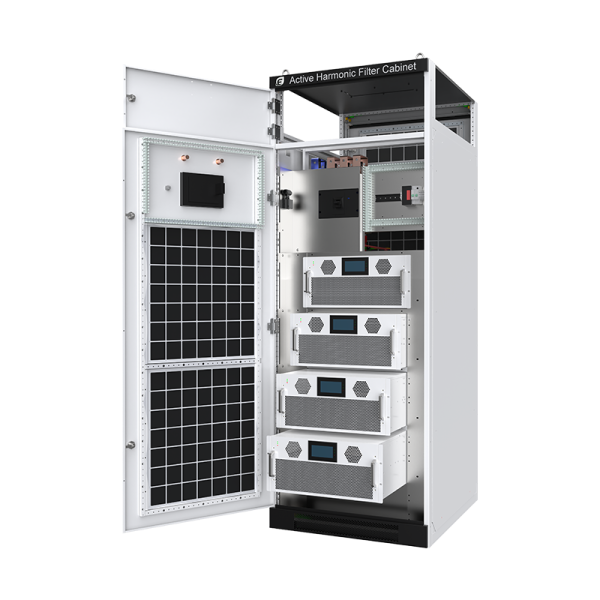
Enjoypowers provides power quality solutions designed to help businesses manage electrical challenges in commercial and industrial environments. By focusing on system monitoring, reactive power compensation, and load management, advanced solutions can support more efficient electrical operations.
When selecting solutions, facility managers should consider equipment characteristics, load patterns, and future expansion plans. A suitable approach should match the actual operating conditions of the building rather than applying a one-size-fits-all method.
The best load balancing and power quality solutions for large buildings typically combine monitoring capabilities with technologies that address reactive power, harmonic issues, and electrical imbalance. This allows operators to identify problems more accurately and implement targeted improvements.
How Load Balancing Improves Building Electrical Performance
Load balancing plays an important role in maintaining a stable power distribution system. In large buildings, electrical loads are often distributed across multiple circuits and phases. If these loads are not properly balanced, some parts of the system may experience excessive stress.
Uneven electrical distribution can increase losses and reduce equipment efficiency. Proper load balancing helps ensure that available power capacity is used more effectively.
The best load balancing and power quality solutions for large buildings are designed to support continuous operation while adapting to changing electrical demands. This is especially important for facilities with varying consumption patterns throughout the day.
Combining load balancing with power factor correction allows businesses to address multiple electrical challenges simultaneously. This approach can improve system performance while helping facilities meet operational and energy management goals.
Choosing the Right Power Factor Correction Approach
Before implementing a power factor correction system, businesses should evaluate their current electrical conditions. Important considerations include existing power factor levels, equipment types, operating schedules, and future energy requirements.
Professional assessment helps identify whether reactive power compensation, harmonic filtering, or other power quality improvements are needed. A properly designed solution can provide better results than installing equipment without understanding the actual electrical environment.
Enjoypowers emphasizes practical power quality management by helping customers analyze electrical challenges and select appropriate technologies. The goal is to support efficient, reliable, and sustainable electrical operations.
Facilities should also consider scalability when planning improvements. As buildings add new equipment or increase energy consumption, flexible solutions can adapt to evolving needs.
Conclusion: Improving Efficiency Through Better Power Management
Power factor correction is an important part of modern electrical management for commercial and industrial buildings. By reducing unnecessary reactive power demand, facilities can improve electrical efficiency and avoid utility penalties associated with poor power factor.
Understanding the causes of poor power quality allows businesses to identify problems before they affect daily operations. Through proper monitoring, load management, and correction technologies, large facilities can create more stable electrical systems.
For organizations seeking the best load balancing and power quality solutions for large buildings, a comprehensive approach that combines analysis, correction, and ongoing management can deliver long-term value.
Effective power quality management is not only a way to control costs but also an important step toward building more reliable and efficient electrical infrastructure. Enjoypowers continues to support businesses in addressing these challenges with professional solutions designed for modern energy needs.
