

Navigating coastal waters introduces intense humidity that constantly tests the moisture management capabilities of any vessel. Extracting water vapor from the cabin atmosphere is essential for preventing mold growth and preserving interior woodwork during extended passages. Modern portable marine air conditioning units require sophisticated drainage mechanics to handle high volumes of condensation without risking water overflow in rolling seas.
The Thermodynamic Source of Cabin Moisture
Warm marine air holds significant amounts of water vapor that turn into liquid droplets the moment they contact cold metal coils. Condensation forms continuously whenever ambient air passes across refrigeration heat exchangers inside the cabin housing. Managing this liquid byproduct efficiently stops damp odors from settling into soft furnishings and bulkheads. Unchecked water accumulation can quickly compromise electronic layouts if gravity drainage fails.
Gravity-Fed Drainage Versus Mechanical Pumping
Standard installation layouts rely on downward sloping hoses to discharge accumulated water directly through hull side-scuppers. However, low-profile layouts often force drainage lines below the waterline, making natural gravity flow impossible. Integrating automated condensate pumps allows portable marine air conditioning units to expel collected water upward against external pressure. This mechanical assistance prevents internal overflow reservoirs from spilling over during sudden vessel rolls.
Sump Box Integration and Float Switch Mechanics
Float switches serve as the primary trigger mechanism for activating automated drainage pumps inside cramped bilge or locker spaces. As water levels rise inside the collection tray, the buoyant switch floats upward until electrical contacts close the pump circuit. Once the fluid level drops below a safe threshold, the switch opens and cuts power automatically. This preventative cycle protects electric motors from running dry and burning out prematurely.
Anti-Siphon Loops in Marine Plumbing
Discharge lines exiting the hull must incorporate proper anti-siphon loops to prevent seawater from back-flowing into the system. Ocean waves can easily force water backward through open drainage ports if the hose routing lacks adequate height clearance. Installing a vented loop above the maximum waterline prevents hydro-lock scenarios from damaging internal components. Sound plumbing geometry protects valuable equipment from unexpected coastal flooding.
Materials Science in Saline Drainage Systems
Constant contact with acidic condensation and salty mist corrodes standard metal fittings rapidly over a few operating seasons. Selecting durable marine-grade materials guarantees long-term operational reliability during offshore voyages. Clean tubing also stops algae and biological slime from choking narrow drainage channels.
Managing Humidity Loads in Tropical Climates
Sailing through equatorial regions multiplies the volume of water extracted from the cabin atmosphere every single hour. Heavy moisture loads demand clear, unobstructed drain paths to keep pace with rapid condensation accumulation. Restricted drainage ports cause water to back up into the air handler, short-circuiting electrical control boards instantly. Regular cleaning protocols keep drainage pathways clear of dust and particulate buildup.
Vibration Dampening in Pumping Assemblies
Continuous pump operation generates subtle vibrations that can echo loudly through fiberglass hulls if mounted incorrectly. Rubber isolators and flexible mounting pads absorb mechanical harmonics before they travel into structural bulkheads. Reducing noise levels significantly improves onboard comfort during quiet overnight anchorages. Smooth motor rotation also extends the service life of internal impellers and shaft bearings.
Electrical Safety in Wet Compartments
Proximity to standing water places high demands on the electrical insulation values of onboard drainage pumps. Waterproof terminal connections and properly rated marine wiring harnesses prevent short circuits in damp bilge environments. Fuses and circuit breakers intercept erratic power draws before electrical fires can spark below deck. Adhering to strict electrical standards protects both the vessel and its occupants.
Case Study Integration: The MAR-220V/12BP Performance Profile
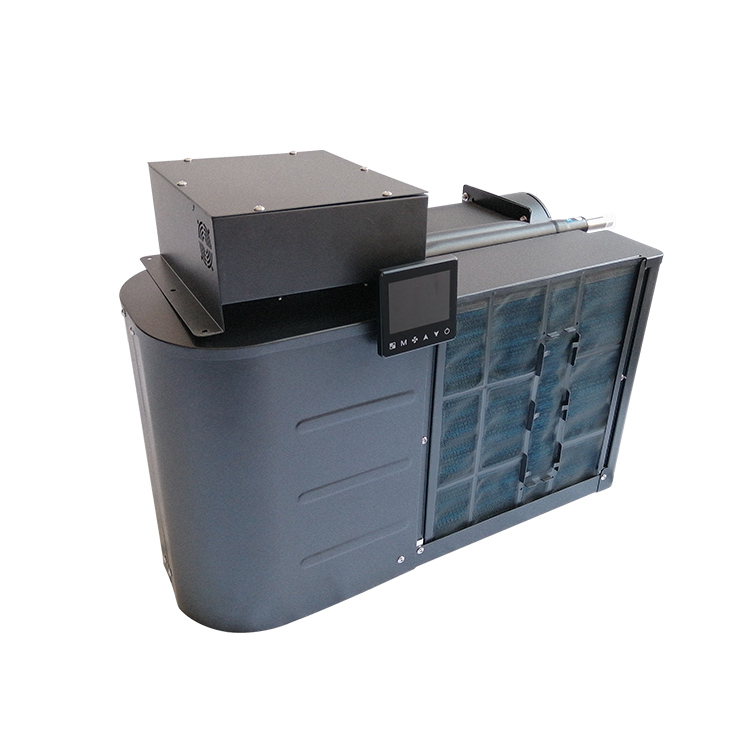
Modern climate engineering combines robust heating and cooling capabilities with intelligent water management in compact footprints. For instance, the Zhuoli Marine 12,000 BTU variable-frequency unit (MAR-220V/12BP) provides rapid temperature stabilization under harsh marine conditions. Operating on 220V AC power, this self-contained hardware adapts smoothly to shifting environmental climates while maintaining quiet operational cycles. Efficient thermal exchange design matches heavy dehumidification demands without straining local power grids.
Conclusion
Managing cabin condensation requires careful attention to drainage physics, plumbing geometry, and material resilience. Prioritizing automated fluid control safeguards structural investments against water damage over years of marine service.
About ZhuoliMarine
Specializing in high-performance marine HVAC equipment, ZhuoliMarine develops variable-frequency marine air conditioners built to handle high humidity and constant vessel motion at sea. Models including the MAR-220V/12BP feature thoughtful condensate management, outstanding corrosion protection and effective vibration suppression to maintain steady cabin climate aboard yachts and workboats. Reach out to their engineering team for datasheets, bulk pricing options and tailored OEM cooperation solutions.
