

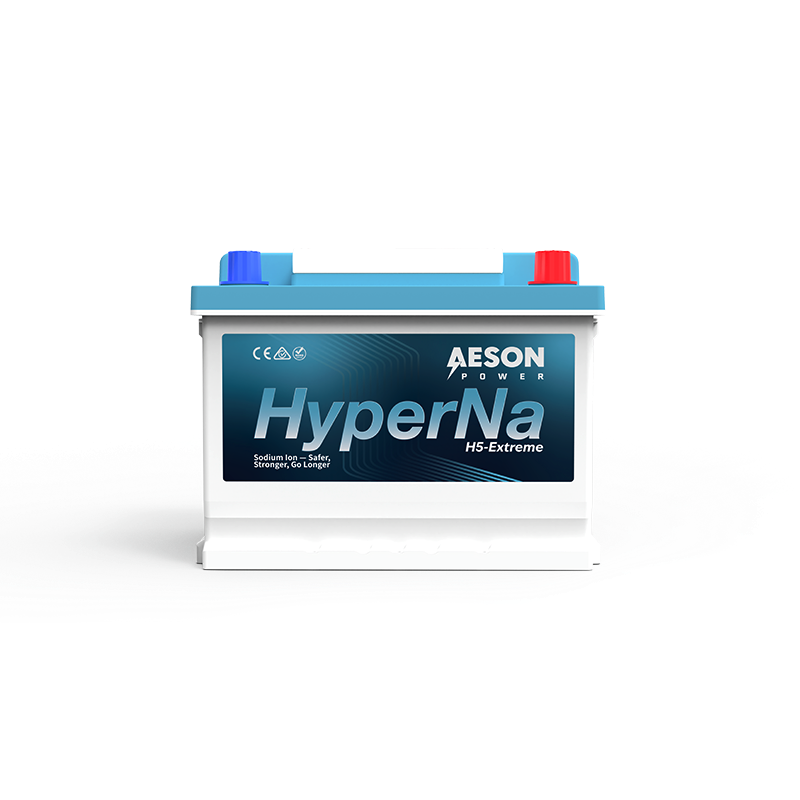
Motorsport engineering demands high electrical resilience to handle high-compression engine configurations, continuous telemetry tracking, and intense racing circuits. Builders and competitors seeking racing car batteries frequently discover that alternative chemical designs provide superior voltage stability and thermal endurance compared to older units. Standard automotive power sources often struggle under the extreme physical and electrical demands of professional competition, prompting engineers to adopt advanced energy technologies. Exploring specialized electrical configurations illuminates the distinct engineering factors required to maximize track performance and reliability.
Evaluating Power-to-Weight Ratios in Competitive Motorsport
Vehicle agility depends heavily on minimizing mass across every section of the chassis to improve handling dynamics, braking efficiency, and acceleration responses. Conventional energy storage mediums add unnecessary weight to the front or rear overhangs, negatively altering the polar moment of inertia during cornering maneuvers. Specialized racing car batteries mitigate this mechanical drawback by packing immense electrical output into remarkably compact physical enclosures. Lightweight power units enable race car builders to optimize weight distribution precisely without compromising starting reliability or electrical reserve capacity.
Mass reduction also reduces the kinetic energy demands placed on braking components and suspension assemblies throughout aggressive track sessions. When a race car carries less dead weight, stopping distances decrease and tire wear rates normalize across long endurance stints. Modern motorsport energy units, such as the H5-Extreme model weighing only 5.5 kg, offer extraordinary weight savings while retaining robust operational capabilities. Such structural efficiency represents a crucial asset for professional racing teams striving to shave critical milliseconds off lap times.
Delivering Massive Cranking Amps Under Extreme Track Stress
Engine ignition in high-performance motorsport applications requires enormous electrical current surges to turn over heavily modified powerplants under severe operating conditions. Traditional storage units frequently suffer from voltage sags during initial cranking sequences, risking ignition delays or sensor resets on the starting grid. Advanced electrochemical cells deliver immense power output, including up to 1600 Pulse Hot Cranking Amps and 660 Cold Cranking Amps of instantaneous energy. Utilizing a high-performance racing car battery solution can deliver rapid, dependable engine startups when fractions of a second matter most.
Transient load response separates mediocre power sources from state-of-the-art energy storage technology utilized in contemporary racing environments. When auxiliary systems activate simultaneously alongside high-compression ignition coils, the power unit must sustain terminal voltage without faltering. Specialized salt-based chemistry excels in this domain due to its fast ionic diffusion rates and stable crystal lattice structures. This capability allows competition vehicles to manage heavy electrical loads effortlessly, supporting advanced telemetry and data logging systems without interruption.
Thermal Resilience and High-Temperature Endurance
Racing engine bays generate ferocious heat levels that frequently cause conventional power devices to suffer from structural breakdown and internal degradation. Competition vehicles pushed to their absolute limits on closed circuits demand electrical systems capable of functioning safely amidst intense thermal loads. While standard automotive options risk thermal stress and shortened lifespans under hood temperatures reaching eighty degrees Celsius, alternative chemical structures exhibit remarkable stability. This natural thermal tolerance eliminates the need for complex cooling shielding, streamlining installation layouts.
Material composition plays a definitive role in preventing dangerous chemical breakdowns when ambient temperatures soar during rigorous endurance races. Sodium-ion chemistry does not carry the same thermal runaway risks as some conventional chemistries, making it particularly well-suited to the high-temperature environment of a racing engine bay. Drivers and mechanics benefit from consistent power delivery whether navigating desert tracks or racing through humid regional climates. For race engineers, this thermal stability means one less variable to manage during a weekend event—the battery simply performs, lap after lap.
Vibration Resistance and Mechanical Durability on Rough Circuits
Racetracks expose batteries to continuous vibration and mechanical shock caused by high-speed cornering, curb strikes, and uneven track surfaces. For motorsport applications, battery construction must therefore provide sufficient mechanical durability to maintain reliable operation under demanding conditions. HyperNa’s improved vibration resistance helps the battery withstand the mechanical stresses associated with motorsport use.
Robust construction is particularly important for race teams operating vehicles under repeated high-load and high-vibration conditions. Maintaining secure internal and external connections helps support consistent electrical performance throughout track sessions. This durability can also reduce the need for frequent battery inspection or replacement caused by mechanical stress.
Rapid Recharge Capabilities and Reserve Capacity
Endurance racing can place repeated demands on a battery’s ability to accept charge between operating periods. HyperNa supports rapid charge acceptance with up to 5C fast charging, allowing the battery to replenish its energy efficiently when suitable charging conditions are available. This capability can be useful for motorsport applications where batteries may need to recover charge between track sessions or during repeated vehicle operation.
Fast charge acceptance can also provide greater flexibility when managing battery charge during testing, practice, and competition. Actual charging performance depends on the charging system, battery condition, and operating conditions, so the 5C rating should be evaluated together with the complete vehicle electrical system.
Maintenance-Free Operation and Trackside Practicality
Time is an extremely scarce commodity inside a professional racing paddock, leaving mechanics with minimal opportunity to perform routine electrical maintenance between practice sessions. Conventional wet-cell storage options require constant fluid level monitoring, terminal cleaning, and trickle charging to prevent sulfation during storage periods. Advanced maintenance-free motorsport units eliminate these tedious chores, allowing crew chiefs to focus entirely on chassis tuning and telemetry analysis. This operational convenience makes lightweight energy storage an indispensable asset for busy racing teams worldwide.
Seasoned vehicle builders prioritize reliability and plug-and-play simplicity when selecting components that directly impact race weekend schedules and championship points tallies. The compact 5.0–5.5 kg design and sealed, maintenance-free construction give race teams more flexibility in battery placement, helping optimize weight distribution without sacrificing cranking power. Such installation flexibility empowers chassis designers to craft cleaner aerodynamic profiles and balanced weight matrices without clearance constraints. For race teams, the combination of maintenance-free operation, sealed construction, and flexible mounting options means less time spent on battery upkeep and more focus on chassis setup and track performance.
Conclusion
Elevating vehicle performance on the track requires innovative energy storage systems that combine extreme power output, minimal mass, and robust thermal durability. Aeson Power contributes significantly to this competitive sector by engineering advanced sodium-ion solutions tailored for rigorous motorsport demands. Boost your racing vehicle’s electrical performance—start by exploring the product lineup.
