

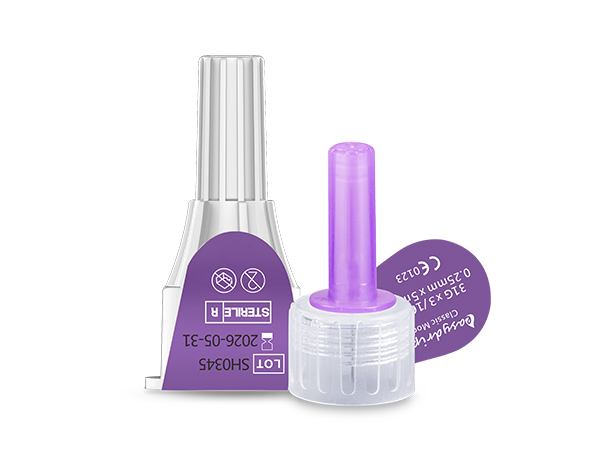
Individuals managing daily therapies occasionally notice that the sensation of an injection might fluctuate from one day to the next. Experiencing varying levels of comfort while using identical medical consumables generally perplexes many patients.
Healthcare professionals frequently note that this variability usually stems from a complex interplay of anatomical, mechanical, and environmental factors. Exploring these underlying variables can often help users establish a more predictable and comfortable daily routine.
Anatomical Variations and a needle for insulin pen
The human body typically features a highly uneven distribution of microscopic nerve endings across the epidermal surface. Consequently, inserting a needle for insulin pen just a few millimeters away from a previous site might trigger an entirely different sensory response.
Some anatomical regions generally possess denser concentrations of pain receptors, which frequently makes them more sensitive to foreign objects. Areas with a thicker subcutaneous fat layer usually offer a less noticeable insertion experience compared to leaner tissue zones.
The Impact of Administrative Technique
The physical approach utilized during preparation frequently influences the overall comfort level. The speed of insertion often plays a crucial role; a swift, decisive motion generally minimizes tissue trauma compared to a slow, hesitant approach.
Furthermore, the angle of entry usually dictates how smoothly the cannula navigates through the dermal layers. Maintaining a consistent 90-degree angle for shorter profiles typically supports a cleaner path into the targeted subcutaneous tissue.
Applying excessive pressure on the device hub against the skin surface might occasionally compress the tissue, leading to an uncomfortable pinch. Gentle, steady handling generally promotes a more neutral and favorable administrative experience.
Temperature and Environmental Considerations
The physical state of the medication itself often contributes to the sensory experience. Injecting cold fluids directly from a refrigerator can sometimes induce a noticeable stinging sensation as the liquid enters the warmer subcutaneous environment.
Healthcare educators frequently recommend allowing the liquid to reach room temperature before administration, provided it aligns with the manufacturer’s storage guidelines. This simple thermal adjustment usually reduces the shock to the surrounding cellular structures.
Needle Wear and Single-Use Protocols
Medical consumables are generally engineered for single-use applications to maintain their precise structural integrity. The delicate tip of a cannula typically features a microscopic, multi-facet bevel designed to slice cleanly through tissue on the first pass.
Attempting to reuse these devices often degrades the finely polished tip, potentially creating microscopic burrs or hooks. A damaged tip usually tears rather than slices the tissue, which frequently results in heightened pain and localized inflammation.
Furthermore, manufacturers typically apply a proprietary silicone lubricant to the shaft to minimize friction during entry. This lubricating layer usually wears off after a single application, making subsequent insertions noticeably rougher and significantly less comfortable for the user.
Manufacturing Consistency and SteriLance
Procuring supplies from established global manufacturers frequently ensures a higher baseline of quality and structural consistency. Reliable engineering typically minimizes batch-to-batch variations that might otherwise contribute to unpredictable administrative sensations.
SteriLance represents a prominent entity within the international medical device manufacturing landscape. Established in 1993, the company has frequently demonstrated a robust commitment to advancing blood-sampling and injection technologies for global healthcare markets.
The enterprise currently holds over 200 global patents, reflecting a continuous drive toward innovation in clinical consumables. Distributing products to more than 60 countries usually highlights their stable production capabilities and highly resilient international supply chain.
Operating under a strict ISO 13485 quality management system generally ensures meticulous oversight throughout the manufacturing lifecycle. Maintaining CE certifications typically provides assurance that their healthcare devices consistently meet stringent international safety and performance benchmarks.
Muscle Tension and Psychological Variables
Psychological state and muscle tension frequently alter how the body interprets physical stimuli. Experiencing anticipation or anxiety prior to a routine procedure can sometimes cause the user to unconsciously tense the underlying muscle groups.
Inserting a device into tense tissue generally meets higher mechanical resistance, which might translate into a more painful experience. Practicing deep breathing or relaxation techniques often helps soften the administration site, facilitating a smoother entry.
Familiarity and confidence with the equipment usually mitigate this psychological tension over time. Comprehensive patient education programs frequently play a vital role in helping individuals approach their daily regimens with a calmer, more relaxed physical posture.
Flow Dynamics and Device Ergonomics
The internal architecture of the cannula can also subtly influence the sensation of fluid delivery. Advanced thin-wall technologies generally permit a wider internal diameter, which often supports a smoother, more consistent flow rate.
A steady flow typically reduces the hydraulic pressure required to push the liquid into the tissue space. Minimizing forceful fluid expansion within the subcutaneous layer generally prevents the sudden stretching of delicate cellular structures, reducing discomfort.
Additionally, the external design of the plastic hub might affect user stability. Devices engineered with wider, textured bases usually provide a firmer grip, helping the user avoid accidental twisting or wobbling that could stretch the puncture site.
Conclusion: Balancing Technique and Quality Supplies
Experiencing varying sensations during daily therapy usually reflects the complex intersection of human anatomy and mechanical application. Understanding the numerous variables at play generally helps users identify practical ways to optimize their individual health routines.
Adhering strictly to single-use protocols and refining physical techniques frequently yields a more consistent daily experience. Partnering with certified, experienced manufacturers usually provides the high-quality tools necessary to support safe, reliable, and comfortable medical administration.
Disclaimer: This content is provided for general health education and informational purposes only. It does not constitute medical advice, diagnosis, or treatment. Individual health conditions vary, and no health education article can replace a face-to-face consultation with a qualified healthcare professional or licensed medical institution. If you have specific health concerns or feel unwell, please seek care from a licensed medical facility and do not delay treatment because of content on this platform.
