

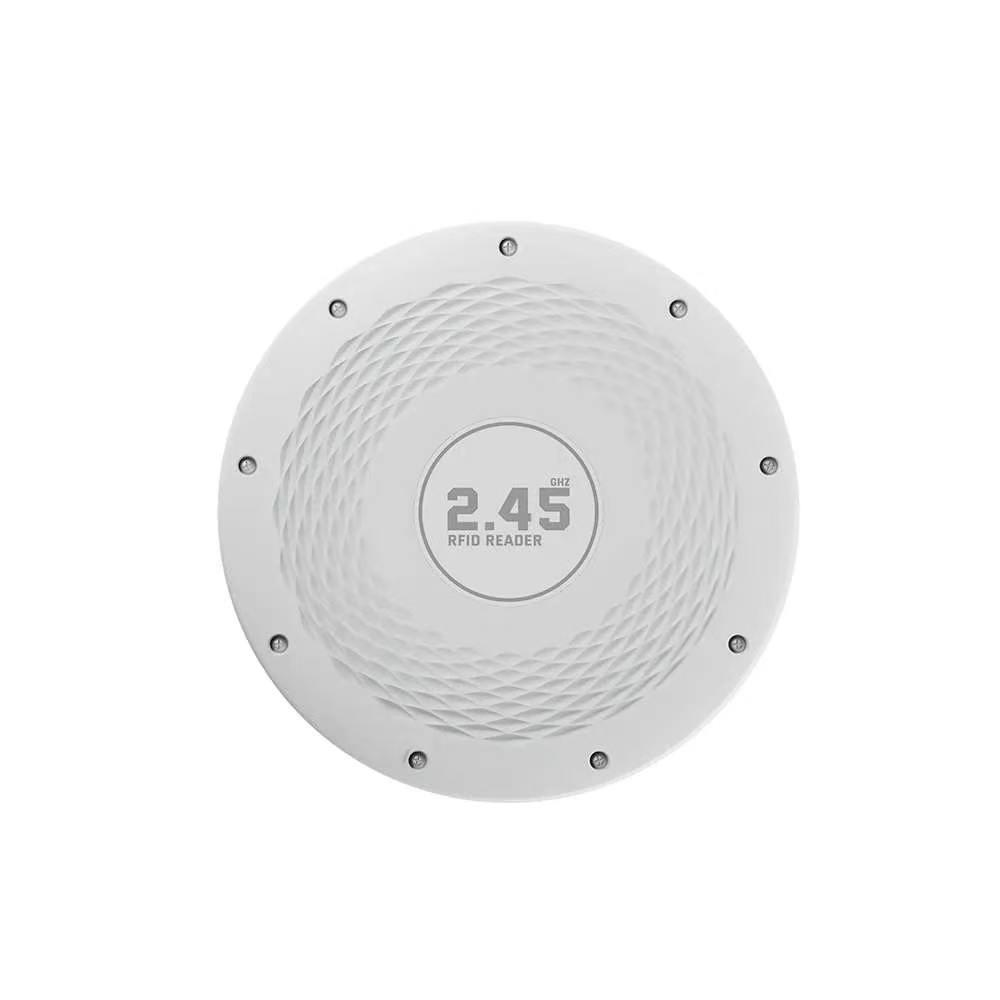
Meaningful operational visibility builds on rapid, accurate data capture at the network edge. As enterprises modernize, moving from traditional barcode systems to automated tracking is often a transformative shift, but favourable outcomes tend to depend heavily on strategic hardware selection.
Identifying the best RFID readers involves looking beyond generic specifications to evaluate performance metrics, environmental durability, and system integration aligned with both current logistical workflows and future scalability goals.
Assessing Read Range, Polarization, and Environmental Durability
Different facilities present unique physical and radio frequency (RF) challenges. These range from dense metallic interference in manufacturing plants to extreme temperature swings in outdoor logistics yards.
A thorough hardware evaluation typically begins by analyzing required read ranges, RF output power, and antenna polarization tailored to the specific environment. Integrated passive models utilizing circular polarization are highly suited for warehouse dock doors. They can offer consistent tag capture within a 10-meter to 20-meter radius regardless of tag orientation.
This omnidirectional capability reduces missed reads when pallets are loaded haphazardly or inventory shifts during transit. Conversely, linearly polarized antennas direct RF energy along a tightly focused plane.
This makes them a strong choice for high-speed conveyor systems where tag alignment is predictable and controlled.For sprawling outdoor facilities, active 2.45GHz models can can provide extended tracking capabilities reaching up to 120 meters under the specified conditions.
This extended range is often essential for large-scale yard management and container monitoring. When selecting equipment for harsh conditions, ingress protection (IP) ratings are a primary consideration.
Reviewing technical specifications helps engineers identify ruggedized devices with IP65, IP67, or IP68 ratings designed to withstand abrasive dust, moisture, and mechanical vibration.
Designing systems so that hardware operates reliably in sub-zero freezers or sweltering loading docks helps minimize operational blind spots and reduces unexpected downtime.
Evaluating Processing Speed, Chipsets, and System Integration
High-traffic enterprise environments require hardware capable of executing advanced anti-collision algorithms. This capability allows systems to process dense tag populations with minimal dropped data or latency.
Effective tracking systems often incorporate high-performance chipsets—such as the Impinj E710 or R2000 engines—which can identify hundreds of tags per second with exceptionally high receive sensitivity.
Processing power becomes crucial during peak operational hours when numerous assets pass through a localized read zone simultaneously. Beyond raw scanning speed, modern edge computing capabilities allow sophisticated readers to run local scripts, filter out duplicate reads, and execute custom logic directly on the device, thereby reducing network strain and improving overall efficiency.
Network integration is equally critical for a seamless deployment. Hardware supporting flexible, industry-standard communication interfaces—including Power over Ethernet (PoE), RS-232, RS-485, and optional Wi-Fi or 4G LTE modules—facilitates smooth connectivity to existing Enterprise Resource Planning (ERP) frameworks and Warehouse Management Systems (WMS).
IT teams should analyze their network topology to align protocols and bandwidth demands with existing infrastructure. Utilizing standardized protocols like LLRP (Low Level Reader Protocol) streamlines middleware integration. This approach helps operational data flow securely and efficiently from the physical hardware to executive reporting dashboards.
Matching Form Factors to Operational Use Cases
IoT deployments vary widely across different physical layouts, meaning a one-size-fits-all approach rarely yields optimal results. System architects should align reader form factors and antenna configurations directly with specific workflows to maximize scanning efficiency and spatial coverage.
Exploring the wide variety of RFID Readers available helps determine which physical configurations make the most sense for specific localized tasks:
- Multi-Port Fixed Readers (4-Port / 8-Port): Modular designs allow connection to multiple external antennas. They are highly useful for complex conveyor tunnels, smart retail fitting rooms, or expansive backrooms requiring customized, multi-angle coverage from a single processing unit.
- Integrated Readers: By combining the antenna and the processing module into a single compact housing, integrated designs can streamline installation. They are well-suited for vehicle access control, parking management, or localized single dock door portal deployments.
- Handheld and Mobile Terminals: For localized inventory audits and daily cycle counts, ergonomic mobile devices empower floor workers to perform rapid sweeps. These capture data in a fraction of the time typically required by traditional optical barcode scanners.
Mapping distinct physical form factors to daily operational workflows promotes optimal spatial coverage and data accuracy without over-investing in redundant infrastructure. A layered approach often yields a resilient and flexible tracking environment.
Calculating Total Cost of Ownership and Long-Term Scalability
While initial procurement costs are a major consideration, a true long-term Return on Investment (ROI) depends heavily on evaluating the Total Cost of Ownership (TCO). Selecting durable, industrial-grade tracking hardware helps minimize unexpected equipment failure, lower ongoing maintenance overhead, and support stable performance over years of continuous operation.
Evaluating baseline power efficiency, remote firmware management capabilities, and compliance with global regulatory frequency standards helps keep the infrastructure adaptable to future changes in technology or operational scope.
Implementing secure firmware updates and utilizing encrypted data transmission protocols helps protect the corporate network from edge-based cybersecurity vulnerabilities.
As enterprise architectures increasingly move toward cloud-based analytics and AI-driven supply chain modeling, investing in intelligent edge hardware establishes a reliable data foundation for these advanced digital initiatives.
Hardware built on open communication protocols helps prevent costly vendor lock-in, enabling facilities to scale up operations seamlessly as demands grow.
Aligning Technology with Strategic Operational Goals
Selecting the appropriate tracking hardware calls for evaluating both immediate operational bottlenecks and long-term strategic expansion plans. By benchmarking read capabilities, processing power, environmental resilience, and form factors against actual site conditions, businesses are better positioned to establish a reliable data collection network.
Empowering an organization with carefully optimized hardware solutions supports sustained operational productivity, can improve inventory accuracy, and helps foster comprehensive transparency across the global supply chain. Consulting specialized providers like RSTC can help align these technology choices with operational requirements and provide a practical foundation for future system expansion.
