

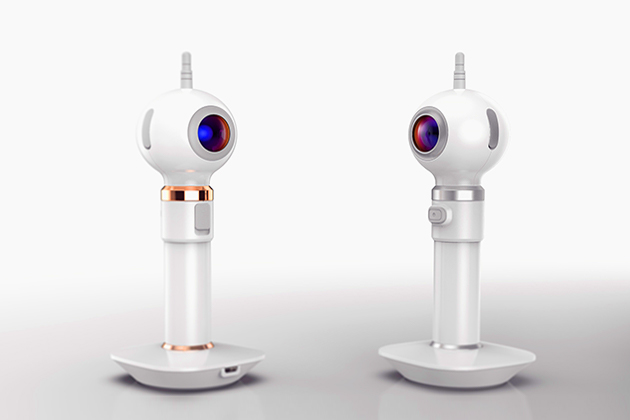
Product development is not only about creating an attractive appearance or adding new functions. For industrial products, design decisions influence materials, processing methods, assembly requirements, and production efficiency. When engineering teams consider manufacturing conditions during the early stage, products can move from concept to production with clearer planning. A practical engineering and design process connects creative ideas with manufacturing requirements, helping companies evaluate whether a product concept can be produced effectively.
Connecting Product Design with Manufacturing Requirements
Industrial product design involves more than visual appearance. It includes product form, colour, decoration, ergonomics, materials, and production methods. A successful design needs to balance user experience, engineering requirements, and manufacturing conditions. Without considering production factors early, companies may face difficulties when transforming digital designs into physical products.
The concept of manufacturing design focuses on improving the connection between product ideas and production methods. Designers and engineers need to consider how components will be processed, assembled, and finished before production begins. This approach allows teams to review possible challenges related to structure, material usage, and manufacturing resources.
Material Selection Influences Production Possibilities
Material selection is one of the important decisions in industrial product development. Different materials have different characteristics, including strength, weight, durability, and processing requirements. For example, aluminium components may require specific machining considerations, while plastic parts may involve different tooling and surface treatment methods.
During the engineering and design process, material choices should match both product requirements and manufacturing capabilities. A material that works well in a design concept may create challenges during production if its processing requirements are not considered. Early evaluation helps companies select suitable materials that support product performance and manufacturing feasibility.
Manufacturing teams often provide practical suggestions based on machining experience. These suggestions can include adjusting wall thickness, simplifying complex structures, or selecting alternative materials that better match production needs. This communication helps reduce unnecessary design changes at later stages.
Structural Design Affects Assembly and Production Efficiency
Product structure has a direct influence on manufacturing preparation. The number of components, connection methods, and assembly sequence can affect production time and quality control. A design with unnecessary complexity may require additional processing steps or create difficulties during assembly.
A thoughtful manufacturing design approach encourages engineers to review product structures before manufacturing starts. Designers can consider factors such as part integration, accessibility, tolerance requirements, and maintenance needs. These details help create products that are easier to manufacture while maintaining their intended functions.
For industrial equipment, electronic housings, automotive parts, and other technical products, assembly planning is especially important. A well-organized structure allows manufacturers to improve workflow and manage production requirements more effectively. This is why design and manufacturing teams often need close communication throughout product development.
Surface Treatment Should Be Considered during Design
Surface finishing is another factor that connects product design with manufacturing. The final appearance of an industrial product depends not only on its shape but also on surface quality, texture, colour, and finishing techniques. Designers need to understand how different treatments may affect the final result.
Manufacturers may use processes such as polishing, painting, coating, printing, and other customised treatments to achieve specific appearance requirements. These methods need to match the material and production processes selected during the design stage.
For companies requiring detailed prototype models and appearance evaluation, Honpe provides CNC precision machining and surface treatment capabilities. They have developed manual craftsmanship methods for hand-finished prototype models and operate a dedicated leather and protective cover processing area. These capabilities support projects where material combination and surface details require careful consideration.
Digital Tools Support Better Manufacturing Decisions
Modern product development also uses digital technologies to improve communication between design and production teams. The main purpose of 3D scanning technology is to capture accurate surface information from physical objects and support digital analysis. It can assist engineers in reviewing existing parts, checking dimensions, and comparing product data.
Although digital tools provide useful support, they work best when combined with manufacturing knowledge. Data collected during inspection needs to be understood together with material properties, machining methods, and production limitations. This combination helps companies make more practical decisions before manufacturing.
A complete engineering and design process involves cooperation between different disciplines. Engineering knowledge, industrial design principles, manufacturing experience, and quality requirements all contribute to product development. This integrated approach allows companies to create products that consider both appearance and production reality.
Choosing A Partner with Manufacturing Experience
When selecting a manufacturing partner, companies often consider technical communication, production capability, and quality management experience. A supplier with knowledge of both design requirements and manufacturing methods can provide useful feedback during product development.
Honpe supports industrial customers with CNC machining, prototype processing, surface finishing, and engineering communication. Their research and development centre focuses on process improvement and manufacturing solutions. They also hold IATF 16949 certification and have experience cooperating with international customers across different industries.
For global manufacturers, cooperation with experienced suppliers can help connect product concepts with practical production requirements. The ability to review materials, structures, and processing methods together creates a smoother transition from design preparation to manufacturing.
Building a More Practical Path from Design to Production
Integrating manufacturing considerations into product design has become an important part of industrial development. Materials, processing methods, assembly structures, and surface treatments all influence how successfully a product can move into production. A suitable manufacturing design strategy helps companies evaluate these factors earlier and create more practical solutions.
By connecting design ideas with manufacturing knowledge, businesses can reduce communication gaps and improve preparation before production begins. Companies such as Honpe demonstrate how machining experience, finishing skills, and engineering support can contribute to product development projects. A balanced approach between design and manufacturing helps create products that meet both technical and production requirements.
